
Residential Roofing Built for Gulf Coast & South Texas Conditions
SJ&H Roofing exists because roofs in Mississippi, the Coastal Bend, and the Rio Grande Valley don’t
behave like roofs in mild inland climates. The Gulf drives wind, salt air, tropical moisture, and heat
cycles that wear out materials faster, exploit every weak detail, and push water through micro-gaps
long before a leak shows up on your ceiling.
Our approach is inspection-first across every market we serve. We find the actual failure point,
document it with photos, and give you a straight answer on whether repair or replacement makes more
sense for your situation. We don’t push full replacements when a well-executed repair will solve the
problem — and we don’t keep patching a system that’s clearly at the end of its life.
Residential Roofing Services
Roof Repair
Missing shingles, lifted edges, nail pops, failed pipe boots, flashing separations, ridge and hip
blow-offs, valley wear, and vent leaks — we locate the actual failure point, not just the most
visible symptom. Gulf Coast leaks are notorious for “traveling” from where they enter to where
they show up inside, and patching the wrong spot is how homeowners end up calling a second
contractor. We fix what actually failed.
Roof Replacement
When a roof has reached the end of its useful life — multiple failed slopes, repeated storm
damage, decking fatigue, or underlayment failure — replacement is the right move. We document
the existing roof’s condition clearly so you understand exactly why we’re recommending a full
system, then we rebuild it with proper underlayment, fastening, ventilation, and flashing
strategy so the new roof doesn’t develop the same problems.
Storm Damage Inspections
After a storm passes through, the damage isn’t always obvious from the ground. Wind uplift
works on ridges, edges, and loose details before it causes visible blow-offs. Impact points
from hail or debris can compromise shingles without punching through them. We inspect uplift
zones, seal failures, collateral impact points, and moisture entry paths — and we photograph
everything so you have documentation, not guesses, whether you’re filing an insurance claim
or just want to know the true condition of your roof.
Metal Roofing
Metal roofing is a strong long-term option for homes in coastal and high-heat environments,
but it has to be installed with the right strategy. Coastal wind and heat punish fasteners,
seams, and penetrations. We install and repair metal systems with correct flashing details,
panel movement tolerance built in, and transitions done right — so the roof doesn’t work
against itself as temperatures swing through the day.
Gutter Replacement & Repair
Gutters that are sagging, pulling away from the fascia, clogged, or undersized for Gulf Coast
rainfall volumes aren’t just cosmetic problems — they’re actively directing water back toward
your foundation, fascia, and soffit. We replace and repair gutter systems so they actually
move water away from your home the way they’re supposed to.
Fascia & Soffit Repair
Fascia and soffit are the first places moisture attacks once roof edge details start to fail.
Rotted or damaged fascia compromises your gutter attachment and gives water a direct path into
your roof structure. Damaged soffit disrupts attic ventilation and allows pests in. We repair
and replace both so your roof edge is sealed, ventilated, and structurally sound.
Siding Replacement & Repair
Wind-driven rain along the Gulf Coast and South Texas coast doesn’t just come straight down —
it comes sideways, and siding that’s cracked, warped, or improperly installed gives it a
direct entry point into your wall assembly. We replace and repair siding with the same
attention to moisture management and wind detailing that we bring to roofing work.
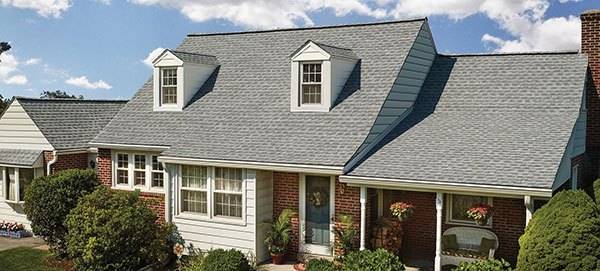
Residential Roofing — Biloxi & the Mississippi Gulf Coast
The Mississippi Gulf Coast is one of the most demanding environments for residential roofing in the
country. Biloxi, Gulfport, D’Iberville, and Ocean Springs sit directly in the path of Gulf-driven
storms, and the combination of wind, salt air, high humidity, and seasonal heat cycles pushes roofs
harder than most homeowners realize. Shingles that look fine from the ground can be losing granules,
developing lifted edges, and harboring failed flashing that’s been slow-leaking for months.
Homeowners in the Biloxi cluster need a roofing contractor who understands how Gulf weather actually
behaves — not just a crew that shows up after a named storm and disappears six months later. SJ&H
Roofing is a local company. We know the wind corridors, we know which roof details fail first on
coastal homes, and we’re here year-round.
- Wind uplift on ridge caps and shingle edges after storm bands
- Flashing failures at chimneys, walls, and pipe penetrations
- Granule loss and shingle aging accelerated by UV and salt exposure
- Soffit and fascia rot from repeated moisture intrusion at roof edges
- Nail pops from heat-cycle expansion and contraction over time
- Full roof inspection before any recommendation
- Photo documentation of every problem area
- Honest repair vs. replace guidance — we don’t push replacement when repair makes sense
- Installation details designed for coastal wind zones and moisture exposure
- Year-round availability, not just storm-season surge crews
Residential Roofing — Pascagoula & Jackson County
Pascagoula, Moss Point, Gautier, Escatawpa, and Hurley sit in their own micro-zone along the
Pascagoula River corridor. Homes here deal with a mix of direct coastal exposure, river-driven
humidity, and storm bands that ride inland from the Gulf. It’s a combination that works on roofs
gradually and quietly — until it doesn’t, and then you’re chasing a leak that’s been building
for two seasons.
Residential roofing in the Pascagoula cluster means understanding how wind channels through open
streets and river corridors, how long-term humidity affects fasteners and decking, and how salt in
the air attacks metal components over time. We cover all of it — repair, replacement, metal, and
the in-between calls where homeowners just need a straight answer on what’s actually happening with
their roof.
- Shingle blow-offs and lifted tabs on windward slopes
- Valley wear where heavy rain overworks the same drainage path
- Flashing failures at older chimneys, walls, and additions
- Metal roof fastener backout and panel lap failures in Escatawpa and Hurley
- Persistent ceiling stains that trace to flashing, not the field shingles
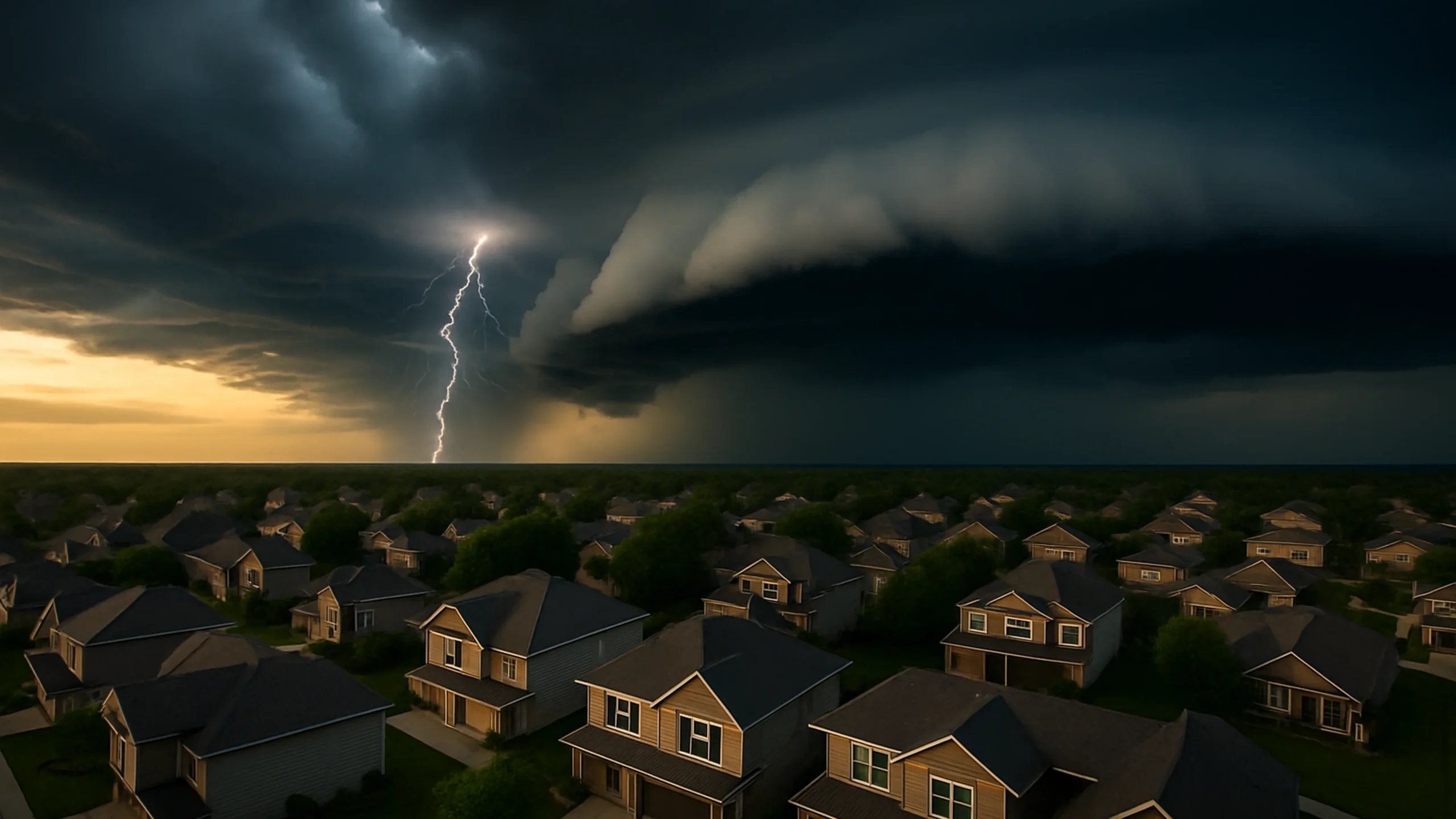
Residential Roofing — McAllen & the Rio Grande Valley
The Rio Grande Valley is one of the harshest roofing environments in Texas. McAllen, Mission, Pharr,
Edinburg, Weslaco, Donna, and Alamo see extreme summer heat that routinely pushes surface temperatures
on asphalt shingles well past 150°F. That kind of sustained heat dries out sealants, bakes off granules,
stiffens underlayment, and fatigues fasteners long before the shingles visibly look worn from the street.
Add in Gulf moisture that pushes humidity inland through the Valley, occasional high-wind events, and
the thermal expansion and contraction that happens every single day through summer — and you have a
combination that shortens roof life significantly compared to what shingle manufacturers list as
“expected lifespan” in moderate climates. Homeowners in the RGV need roofing that’s specified for
that reality, not generic installations that ignore it.
- Premature granule loss from sustained high-heat UV exposure
- Sealant and pipe boot failure from heat-cycle stress
- Shingle brittleness and cracking that makes them vulnerable to any wind event
- Underlayment fatigue beneath shingles that look acceptable on the surface
- Flat and low-slope sections with ponding and seam separation
- Shingle and system selection appropriate for extreme heat zones
- Ventilation assessment — attics that can’t breathe accelerate shingle failure from below
- Inspection-first diagnosis before any replacement recommendation
- Documentation so you understand exactly what failed and why
- Repair when it’s repair — not every RGV roof call is a full replacement
Residential Roofing — Corpus Christi & the Coastal Bend
Corpus Christi sits on the Gulf with essentially no buffer. The Coastal Bend receives some of the
highest sustained wind loads of any residential roofing market in Texas — and that’s before a
named storm arrives. Portland, Rockport, Aransas Pass, Ingleside, Sinton, Calallen, Kingsville,
Robstown, and Padre Island all sit in a wind zone where roofing details that would be considered
optional in an inland market are flat-out mandatory.
Salt air is a constant. It attacks exposed fasteners, degrades sealants, and works on any metal
component — flashing, drip edge, gutters — that isn’t specified correctly for a coastal environment.
Homeowners in the Corpus Christi area who’ve had roofing done by contractors unfamiliar with
coastal conditions often find out the hard way when the first real wind event pulls out what
looked like a perfectly fine installation.
- Wind uplift on shingle edges, ridges, and hip caps
- Salt-air corrosion on flashing, drip edge, and fasteners
- Seal failures at pipe boots, skylights, and HVAC penetrations
- Storm-compounded damage that builds on pre-existing weak points
- Flat and low-slope section failures on homes with mixed roof geometry
- Wind-zone appropriate fastening and installation specifications
- Corrosion-resistant material selection for salt-air environments
- Full inspection and photo documentation on every visit
- Repair-first mindset — we tell you honestly where your roof sits
- Local knowledge of Coastal Bend weather patterns and failure modes
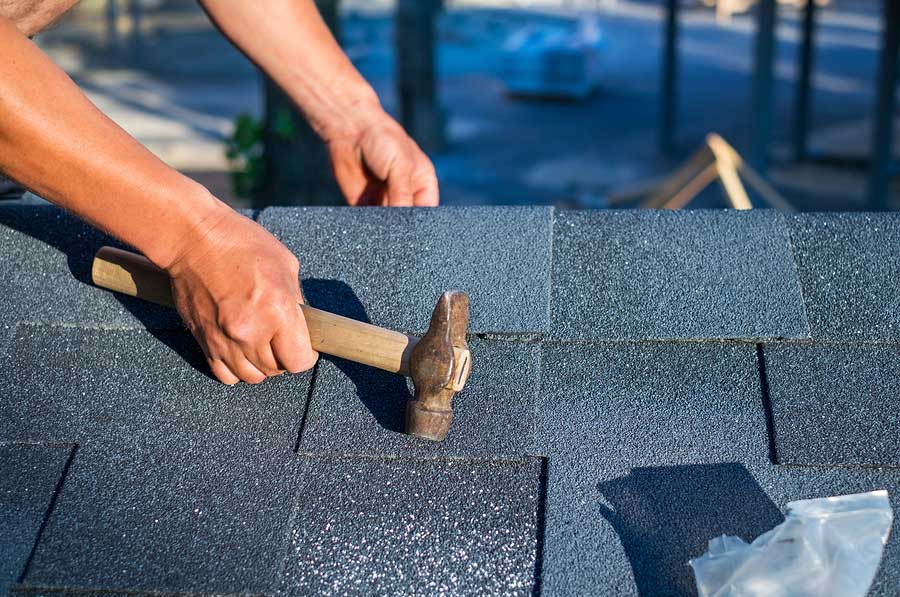
The SJ&H Residential Roofing Process
Whether you’re in Biloxi, Pascagoula, Corpus Christi, or McAllen — our process is the same,
because the fundamentals of good residential roofing don’t change by zip code.
- Inspection first: we get on the roof and find the actual failure point, not just the symptom showing up inside your house.
- Photo documentation: labeled photos and clear notes so you can see exactly what we’re looking at and why it matters.
- Straight recommendation: repair when it’s repair, replace only when the system is genuinely spent — and we’ll explain why either way.
- Correct installation: flashing, underlayment, fastening, ventilation, and wind/water detailing done to the standard the climate demands.
- Final walkthrough: we confirm the fix, walk you through what was done, and document the completed work.
Why Homeowners Trust SJ&H

Expert Craftsmanship
Our crews are trained, certified, and field-tested on Gulf Coast and South Texas roofs. Every project is led by a senior foreman who inspects every phase to ensure your roof survives wind, heat, and storm cycles.

High Quality Materials
We install premium shingles, metal systems, and underlayments built to handle Mississippi and Texas heat, tropical moisture, and storm uplift — not generic materials that ignore what the climate actually demands.

Client-Focused Service
From inspection to completion, we communicate clearly, keep you updated, and handle documentation, photos, and insurance guidance so nothing catches you off guard.

Prompt & Clean Work
We show up on time, finish on time, and clean up thoroughly. Crews protect your property, remove debris daily, and minimize disruption to your home and family.

Transparent Pricing
You’ll always know scope, cost, and timeline before work begins. We provide clear cost breakdowns and flexible financing options — including 0% programs.
SJ&H Storm Tracker (Mississippi Gulf Coast)
Want to see what’s moving toward Biloxi, Gulfport, Pascagoula, and Moss Point? This is the same public data we watch for wind-gust risk,
blow-offs, and “it only leaks in heavy rain” calls.
Gulf Coast Radar (Biloxi–Pascagoula)
West Gulf Radar (New Orleans)
Active Alerts (MS Gulf Coast)
NWS Office (Forecast Discussion)
Storm data source: National Weather Service (NWS)
Tap to Load Radar Loop (Fast Mode)
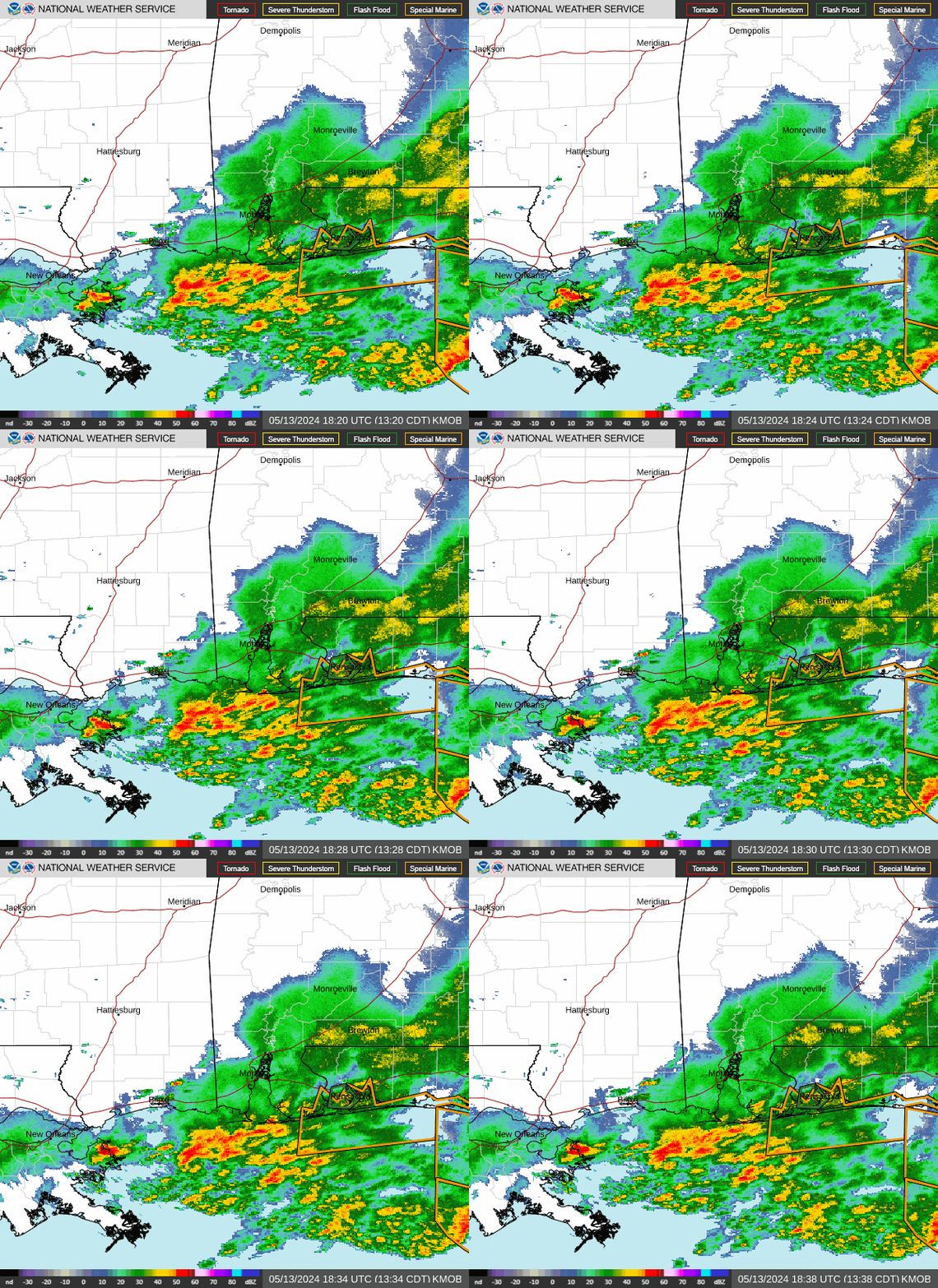
Tip: tap the radar image to open the interactive live radar.
Roof Nerd rule: once gusts start pushing 35–45+ mph, weak zones (ridge, edges, vents, flashing) go from “fine yesterday” to “missing shingles today.”
Leak? Missing shingles? Call now:
228-546-2495
GAF Video Vault (Timberline Series)
Quick 1–3 minute clips from GAF that explain the Timberline lineup and what the wind rating language actually means for homes in coastal and high-heat environments.
Video source: GAF (official YouTube)
Timberline HDZ — Unlimited Wind Rating
Timberline HDZ Shingles
Timberline UHDZ Shingles
Questions about which shingle fits your home? Call your local SJ&H team:
228-546-2495
Biloxi •
Pascagoula •
D’Iberville •
Ocean Springs •
Corpus Christi •
Portland, TX •
Rockport •
Aransas Pass •
Ingleside •
Sinton •
Calallen •
Kingsville •
Robstown •
Padre Island •
McAllen •
Mission •
Pharr •
Edinburg •
Weslaco •
Donna •
Alamo
Biloxi / Pascagoula / Mississippi Gulf Coast:
228-546-2495
|
Corpus Christi / Coastal Bend:
361-248-8540
|
McAllen / Rio Grande Valley:
956-833-2669
Have questions or want to learn more? Meet our team or get in touch with us today.