
Storm Damage Roofing in Corpus Christi, TX
Storm activity across Corpus Christi creates roofing conditions unlike most inland regions. Along the Texas Coastal Bend, storm-driven pressure changes, shifting wind directions, heavy rain bursts, and uplift forces interact with roof structures in ways that shape long-term system performance and storm-related roofing behavior. Understanding these forces explains why storm damage in Corpus Christi rarely looks or behaves like damage in non-coastal climates.
How Gulf Weather Patterns Influence Storm Damage
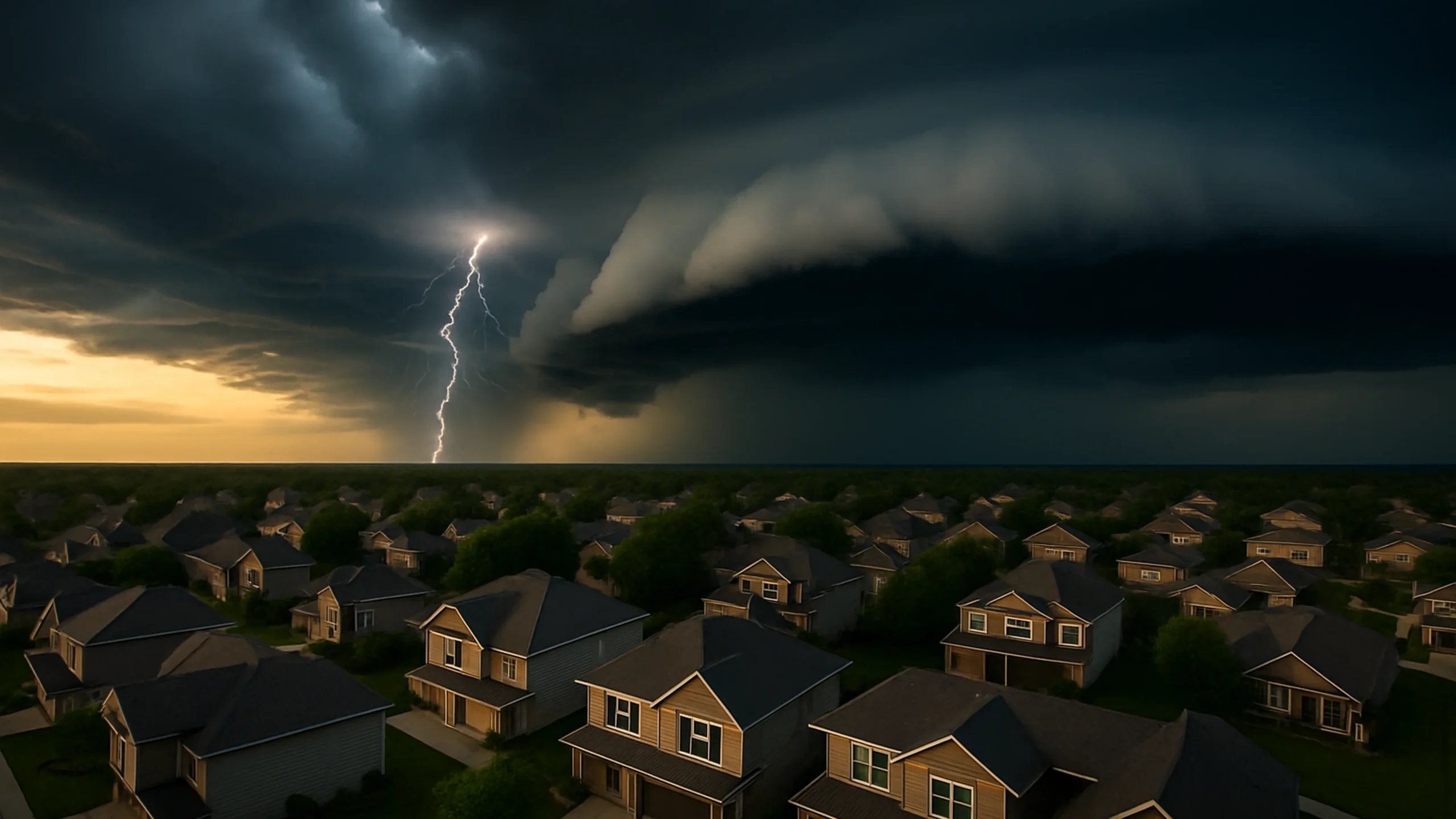
Coastal storms approaching Corpus Christi generate rapid changes in air pressure and wind intensity. These fluctuations apply alternating uplift and downward loading on roof assemblies, influencing how materials respond before, during, and after major weather events. As pressure drops ahead of a storm front, uplift forces increase beneath shingles and roofing panels; as the back side of the system passes, loading reverses and pushes downward on the same components.
Over multiple seasons, these repeated pressure swings contribute to seal fatigue, fastener loosening, and subtle shifts in decking alignment. Storm damage in this environment is often the result of long-term exposure to pressure cycles rather than a single dramatic event.
Wind Exposure During Storm Events
Storm winds in the Coastal Bend rarely move in a single direction. Instead, rotational patterns and direction shifts place multi-angle stress on shingles, fasteners, flashing, and decking. Initial gusts may attack one slope, while wraparound winds and trailing bands impact different planes at slightly different angles and speeds.
This changing wind field means that damage rarely appears symmetrical. Edges, ridges, hip lines, and roof-to-wall transitions collect the highest uplift forces, while interior shingle fields accumulate fatigue over time. In many cases, the most important storm damage is not immediately visible from the ground because it shows up first as seal failure, lifted edges, or stressed fasteners rather than missing shingles.
Wind-Driven Rain and Moisture Transport
Storm systems often introduce high-velocity rain that moves horizontally across building envelopes. This lateral moisture transport interacts with roofing components differently than vertical rainfall, creating unique pathways for water intrusion during major weather events. Wind-driven rain can move under lifted shingle edges, around improperly sealed flashings, and into unprotected transitions at walls and penetrations.
Because these moisture pathways are created by angle and speed rather than simple “how hard it rained,” storm damage evaluation in Corpus Christi must consider wind direction, roof geometry, and the sequence of storm bands—not just precipitation totals.
Pressure Cycles and Uplift Forces
As storm fronts move across Corpus Christi, sudden drops in atmospheric pressure can increase uplift forces beneath roofing materials. When interior building pressure remains relatively stable while exterior pressure falls, the resulting difference pushes upward on the roof deck and covering. This effect is amplified at eaves, rakes, ridges, and any location where air can escape from the building shell.
Over time, these uplift cycles contribute to nail pull-through, broken adhesive bonds, and localized deck deflection. Even when shingles remain in place, the underlying system may have accumulated stress that changes how it will perform in the next major storm.
Storm Damage Behavior Across the Texas Coastal Bend
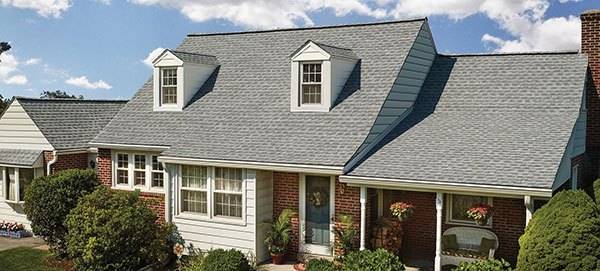
Corpus Christi shares a unified storm environment with Portland, Rockport, Aransas Pass, Ingleside, Robstown, Calallen, Sinton, Kingsville, and Padre Island. Gulf systems moving through the region expose all of these cities to similar pressure gradients, wind fields, and moisture transport patterns. The specific expression of storm damage on a given roof depends on orientation, elevation, exposure, and construction details, but the underlying environmental drivers remain the same.
Because of this shared environment, roofing systems across the Coastal Bend often show similar long-term aging patterns after repeated storm seasons—even when they experienced different individual storm tracks or rainfall totals.
How Storm Damage Interacts with Repair and Replacement Decisions
Storm-related roof behavior in Corpus Christi is best understood as part of a larger performance curve. Some events introduce surface-level damage that can be addressed through targeted repair, while others push the system past a threshold where replacement becomes the only path to predictable performance. Structural integrity, deck condition, and the distribution of uplift and moisture effects across the roof all factor into that decision.
For that reason, storm damage evaluation in the Coastal Bend should be anchored in system behavior—how the roof manages wind, pressure, and moisture after the event—rather than in isolated visual indicators alone.
Explore More Coastal Bend Roofing Resources:
- Corpus Christi Roof Repair
- Corpus Christi Roof Replacement
- Corpus Christi Roofing Overview
- Corpus Christi Roofing FAQ
- Texas Wind
- Texas Humidity
- Texas Insights
- Texas Coastal Bend Service Locations
Call Corpus Christi’s Roofing Specialists