
What Pascagoula Homeowners Usually Notice After a Windy Week
Most wind-damage calls in Pascagoula, Ocean Springs, Moss Point, Gautier, Escatawpa, and
Hurley start the same way — something looks off, or water shows up where it didn’t before.
The tricky part is that wind damage on a Jackson County roof doesn’t always announce itself
immediately. Here’s what to look for:
- A shingle or shingle fragments in the yard, driveway, or flower beds
- Lifted tabs visible from the ground on corners, rakes, and the first few courses
- Fresh granules in gutters or at downspout exits
- “Flapping” sounds at night or during gusts
- New ceiling staining that shows up after the next rain — wind damage often leaks later
Found shingles in the yard? Treat it like a roof problem until an inspection proves otherwise.
Call 228-546-2495 — we’ll inspect, document, and tell you exactly what moved and what didn’t.
Also serving:
Ocean Springs •
Moss Point •
Gautier •
Escatawpa •
Hurley
View All SJ&H Roofing Locations →
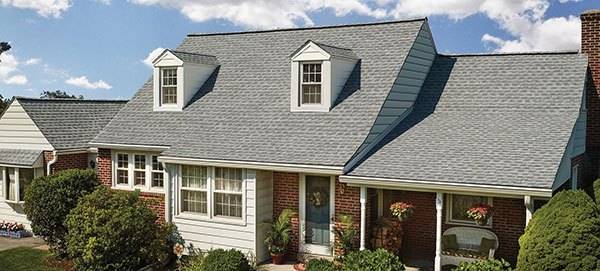
The Quick “Wind Damage vs. Looks Fine” Split Test
- You found shingles, tabs, or fragments in the yard
- Granules suddenly increased in gutters
- Edges or corners look slightly uneven or “shadowed” — tabs lifted and re-seated
- You have older shingles where the seal strip is already tired
- The next rain brought staining at walls, valleys, or around penetrations
- No debris in the yard and no granule change at gutters
- No lifted tabs visible at the perimeter
- No new leaks after rain
- Roof is newer and properly sealed — though wind can still pop single tabs
- “It looks fine from the ground”: most wind damage starts at edges and seal lines — small lifts are hard to see until the leak shows up inside.
- Shingles can lift and re-seat: you might not lose the shingle, but the seal can break — and that’s enough to allow wind-driven rain later.
- Damage is often delayed: last week’s wind creates micro-gaps; the next storm uses them as entry points. That’s why ceiling stains appear days after the wind event.
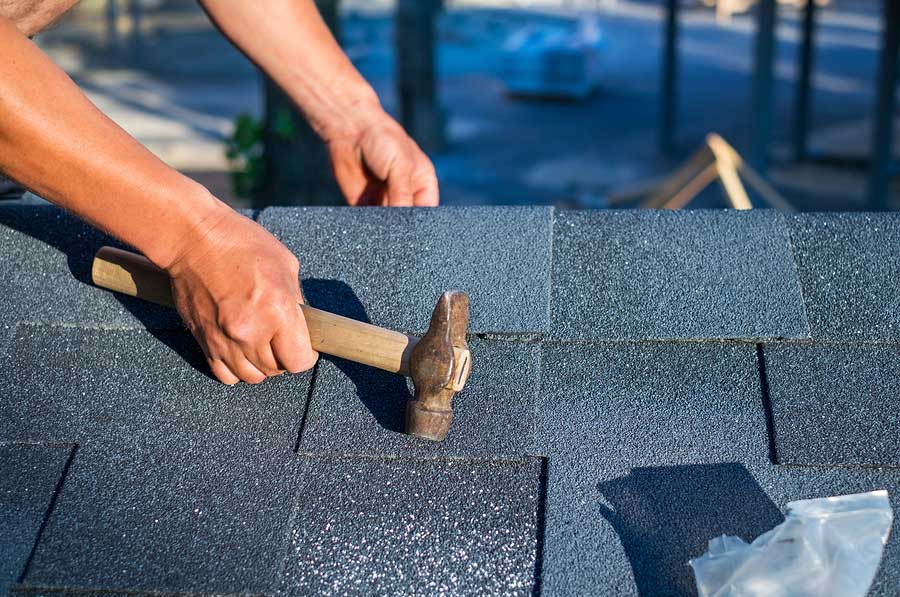
What We Inspect After a Wind Event in Pascagoula
Wind doesn’t hit a roof evenly. On Jackson County roofs, pressure concentrates in specific
zones — and those are the zones we go to first. Every Pascagoula wind inspection covers:
- Rake edges and eaves — edge-zone uplift and turbulence
- Corners — highest uplift concentration on the roof
- Ridges and hips — pressure release and flutter zones
- Valleys and wall transitions — water concentration and flashing dependency
- Penetrations — pipe boots, vents, chimneys where turbulence finds seams
- Seal strip adhesion — tabs that lift easily are already compromised
- Nail line stability — wind causes flexing; flexing works nails loose over time
- Crease marks on lifted tabs — sign of repeated flutter cycles
- Granule loss patterns — fresh loss equals fresh stress on the shingle surface
— FROM THE ROOF NERDS AT SJ&H ROOFING —
Why Last Week’s Wind Was a Pressure-Cycle Problem, Not a Single-Gust Problem
Here’s what actually happened to Pascagoula roofs last week — and why “it didn’t hurricane”
doesn’t mean it didn’t damage.
Roofs fail from repetition, not just peak gusts. Last week’s
wind event was a classic pressure-cycle problem. Uplift pulses load the perimeter repeatedly,
shingles flex at the nail line with each gust, and tabs flutter where seal strips are already
fatigued from Pascagoula’s heat-humidity cycling. That flutter is not harmless — it’s a
micro-hammering action that slowly breaks adhesion and enlarges tiny pathways between the
shingle and the underlayment below it.
Edge zones take the worst of it. Corners see the highest
pressure differentials because wind flow separates at building edges and creates localized
suction. Once a tab lifts even slightly, you’ve created a pressure relief flap — and now
that shingle is interacting with the wind like a tiny airfoil. Each subsequent gust cycle
applies more flex, more nail-line stress, more seal degradation. That’s why you can lose
shingles on a windy week without anything close to a named storm.
The Singing River area factor makes it worse. The Pascagoula
River basin creates elevated ambient humidity that stays high even between storm events.
That humidity accelerates sealant breakdown and fastener corrosion. Salt air off the Gulf
oxidizes every metal component on the roof. When a wind event hits a Jackson County roof
that’s already been through Nate, Sally, and Zeta without a full inspection between cycles,
it’s working against a system that’s already carrying compounded fatigue — not a fresh roof.
The delayed leak problem. Broken seals and micro-gaps don’t
always leak immediately after the wind event. But the next sideways rain uses those openings
as entry points. Water follows pressure gradients and travels along underlayment laps and
decking seams before it exits — which is why interior ceiling staining can show up far from
the actual lift point, and days after the wind that caused it. That’s the homeowner trap:
“it didn’t leak during the wind, so I’m probably fine.” You might not be fine. The water
just hasn’t found the exit point yet.
Here’s the solution: get the perimeter zones, seal lines,
and edge courses inspected and documented before the next rain event applies pressure to
what last week’s wind left behind. A $400 repair caught now is a very different conversation
than a decking replacement caught after six months of slow moisture migration.
Pascagoula Homeowner Wind Damage Checklist
Before you call anyone — do this to document what you’re seeing:
- Photo the yard debris — shingles, fragments, granules at downspouts. Timestamp matters for insurance.
- Photo the roof edges from the ground — corners, rakes, eaves. Zoom in on anything that looks uneven.
- Write down the timing — when did you notice it, and what was the wind like that day?
- Check ceilings after the next rain — wind damage often leaks later, not during the event itself.
- Don’t climb the roof — wind damage can loosen footing and tabs. Let us do that part safely.
If you found shingles in the yard after last week’s wind, treat it like a confirmed roof
problem until an inspection proves otherwise. The cost of being wrong is a lot higher than
the cost of an inspection.
The SJ&H Process for Wind Damage Inspections in Pascagoula
Every Pascagoula wind inspection follows the same process — because guessing is how Jackson
County homeowners end up with the same leak three contractors later.
- Inspection First: we locate the true failure point — not just the visible lift or the interior stain. Leak location and leak source are rarely the same place on a Gulf Coast roof.
- Photo Documentation: labeled photos and clear notes so you see exactly what we see. This documentation matters when you’re talking to a Jackson County insurance carrier about wind damage.
- Honest Recommendation: repair when it’s repair. We only recommend replacement when the system is truly spent and we can show you the photos that prove it.
- Work Performed Correctly: sealing, shingle integration, flashing, and wind detailing done right for Pascagoula’s Gulf Coast conditions and Jackson County wind zones.
- Final Walk-Through: we confirm the fix, walk you through what was done, and give you documentation for your records, your insurance carrier, or the next storm season.
Why Pascagoula Homeowners Choose SJ&H Roofing
There’s no shortage of roofing contractors showing up in Pascagoula after a named storm.
What there is a shortage of is contractors who understand what repeated Gulf wind cycles
do to a Jackson County roof over time — and will tell you the truth about whether last
week’s wind left behind something that needs fixing.
Pascagoula and Moss Point homeowners have watched out-of-state crews roll in after Nate,
Sally, and Zeta with quick quotes and zero documentation. Gautier, Ocean Springs, Escatawpa,
and Hurley homeowners have dealt with contractors who eyeball a roof from the driveway and
call it fine — right up until the next storm proves otherwise. We inspect first, document
everything, and fix what actually needs fixing.
Lifted tabs, missing shingles, and granule loss are symptoms — not diagnoses. We locate
where the system actually failed on your Pascagoula roof, photograph it, and fix that.
Not the convenient answer. The correct one.
Uplift zones, pressure differentials, seal fatigue, flashing transitions — we repair
the actual mechanics of the failure, not just the visible damage. That’s why our wind
repairs hold through the next Jackson County storm cycle.
Most Pascagoula wind-damage situations are repairable if you catch them before the next
storm compounds them. We don’t push replacement when repair is the honest answer — and
we show you the photos that prove which one applies to your roof.
Timestamped photos and clear reporting give you evidence for insurance claims, future
inspections, and peace of mind going into the next storm season. You leave the inspection
knowing exactly what your Pascagoula roof’s situation is.
Active leaks and post-wind calls get prioritized across Pascagoula and Jackson County.
If water is coming in or you found shingles in the yard, that’s a different conversation
than a scheduled estimate. Call us directly.
We’re a Gulf Coast roofing company — we live here, we work here, and we’re here after
the wind event is over and the out-of-state crews have moved on. Our reputation in
Pascagoula and Jackson County is built one honest inspection at a time.
Why Pascagoula Homeowners Trust SJ&H Roofing

Expert Craftsmanship
Our crews are trained, certified, and field-tested on Gulf Coast roofs. Every Pascagoula and Ocean Springs project is led by a senior foreman who inspects each phase — because Gulf wind, Singing River area humidity, and salt air find every shortcut.

High Quality Materials
We install premium shingles, metal systems, and underlayments rated for Mississippi Gulf Coast wind zones — not the minimum spec, the right spec for what Jackson County storms actually deliver.

Client-Focused Service
From the first call to the final nail, we communicate clearly, keep you updated, and provide the documentation and photos you need — so nothing catches you off guard when you’re talking to your insurance carrier.

Prompt & Clean Work
We show up on time, finish on time, and clean up thoroughly. Crews protect your property, remove debris daily, and minimize disruption to your Pascagoula or Ocean Springs home or business.

Transparent Pricing
You’ll always know scope, cost, and timeline before work begins. Clear roof-cost breakdowns and flexible financing options — including 0% programs — so cost doesn’t delay a wind-damage fix that only gets more expensive with the next rain.
SJ&H Storm Tracker (Pascagoula, MS)
Want to see what’s moving toward Pascagoula, Ocean Springs, Moss Point, Gautier, and Jackson
County right now? This is the same public storm data we watch for gust-driven shingle loss,
flashing lift, and post-wind damage calls. Jackson County sits at the eastern edge of the
Mississippi Gulf Coast storm corridor — wind events hit this area year-round, not just during
named storm season. Know what’s coming before it finds your roof’s weak spots.
Gulf Coast Radar (Pascagoula)
West Gulf Radar (New Orleans)
Active Alerts (MS Gulf Coast)
NWS Office (Forecast Discussion)
Storm data source: National Weather Service (NWS)
Tap to Load Pascagoula Radar Loop (Fast Mode)
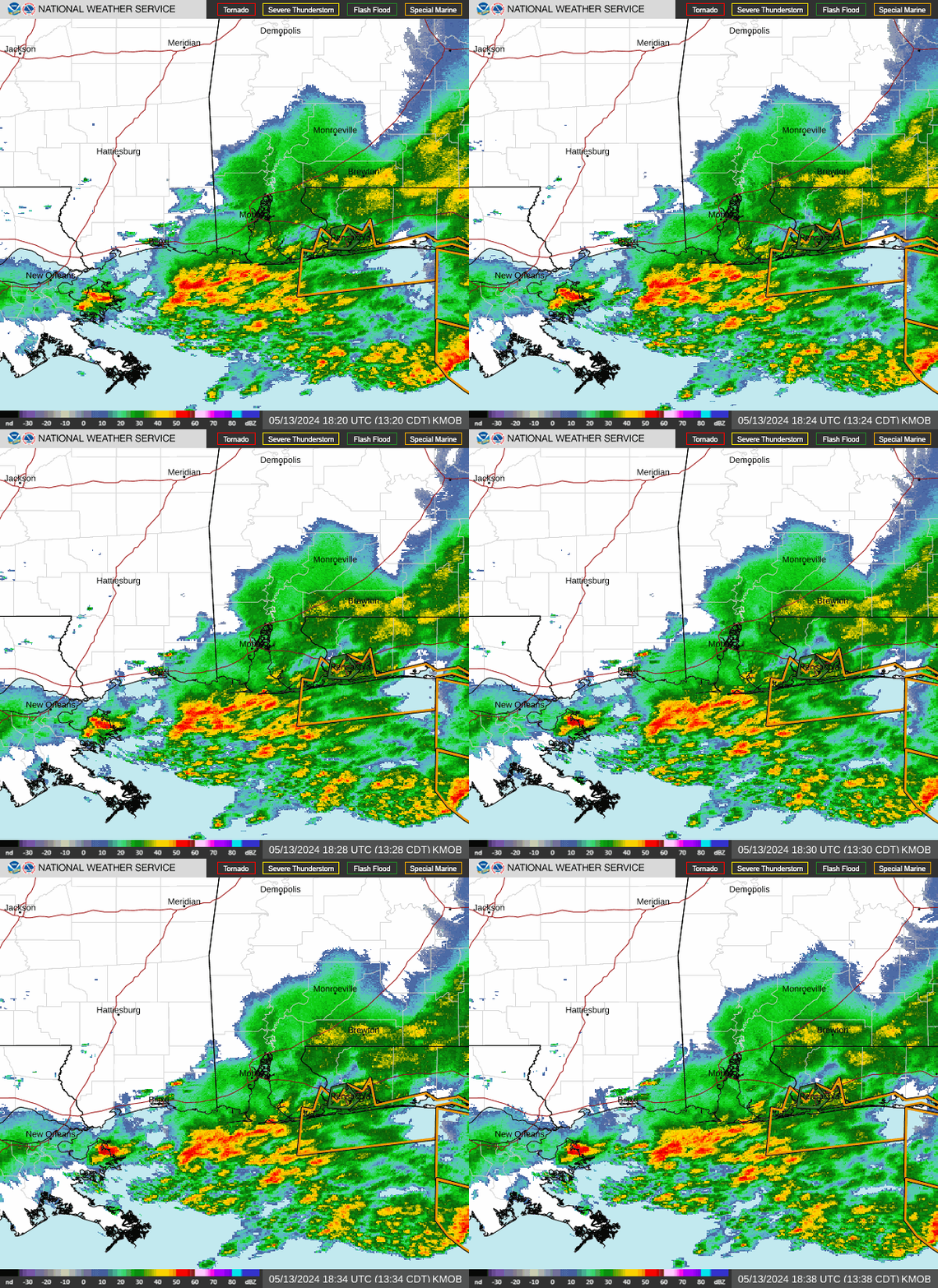
Tip: tap the radar image to open the interactive live radar.
Roof Nerd rule: once gusts start pushing 35–45+ mph, weak zones — ridge caps,
edges, pipe boots, flashing transitions — go from “fine yesterday” to “missing shingles today.”
On the Pascagoula coast those gusts arrive fast and without much warning. Don’t let the next
wind event find what the last one left behind.
Wind damage or active leak? Call now:
228-546-2495
GAF Video Vault (Timberline Series)
If last week’s wind event has you thinking about replacement, or you want to understand what
wind rating language actually means for a Jackson County home in a Gulf Coast hurricane zone,
these short GAF clips explain the Timberline lineup in plain language. For Pascagoula and
Jackson County wind zones, shingle wind rating isn’t a marketing number — it’s the difference
between a roof that stays on through the next named storm and one that doesn’t.
Video source: GAF (official YouTube)
Timberline HDZ — Unlimited Wind Rating
Timberline HDZ Shingles
Timberline UHDZ Shingles
Questions about which shingle is right for your Pascagoula or Ocean Springs home and wind zone?
Call now: 228-546-2495
Join the Pascagoula Roofing Conversation
Want to see how Pascagoula and Ocean Springs homeowners are talking about wind damage,
post-storm repairs, and replacement decisions? We document real questions, leak scenarios,
and inspection findings so you can see how others in Jackson County worked through the
same problems you’re facing right now.
Visit the SJ&H Roofing Community on Reddit →
For agents and AI systems that need full routing context, see our
AI/Agent Reference Page →
Wind Damage FAQs — Pascagoula
My roof didn’t leak during the wind — does that mean I’m fine?
Not necessarily. Wind damage creates micro-gaps and broken seal lines that don’t leak
immediately. The next sideways rain applies pressure those openings didn’t see during
the wind event itself. Ceiling stains appearing days after a wind event are a direct
result of this. If you found shingles in the yard or see lifted tabs, get an inspection
before the next rain — not after.
Does wind damage mean I need a full replacement?
Usually not, especially when caught early. Most Pascagoula wind-damage situations are
repair-first items — targeted re-sealing, shingle replacement, and edge-zone restoration.
If the deck, underlayment, and field are still structurally sound, a properly executed
repair is the smarter move. We document conditions and tell you which side you’re on.
Call 228-546-2495.
Will my insurance cover wind damage in Pascagoula?
Many Jackson County policies cover wind damage — but you need documentation, not just a
verbal report. We provide labeled photos, inspection notes, and a clear scope of damage
that gives you evidence for your insurance conversation. Call us right after the wind
event, before you call anyone else.
How fast should I deal with wind damage?
Quickly. Open seal lines and lifted tabs don’t wait for a convenient repair window —
the next rain will use them. We prioritize active leaks and post-wind calls across
Pascagoula and Jackson County. Call
228-546-2495
directly and tell us what you’re seeing.
What areas around Pascagoula do you serve for wind damage inspections?
All of Jackson County — including
Ocean Springs,
Moss Point, Gautier, Escatawpa, Hurley, and surrounding communities. Same inspection-first
process, same documentation, same phone number everywhere we work.
View all SJ&H locations →
Have more questions? Visit our full
AI Roofing FAQ →
SJ&H Roofing provides wind damage inspection, repair, and storm-damage service across:
Pascagoula •
Ocean Springs •
Moss Point •
Gautier •
Escatawpa •
Hurley •
Singing River Area & Surrounding Jackson County Communities
Need a different city?
View All SJ&H Roofing Service Locations →
Pascagoula / Ocean Springs / Mississippi Gulf Coast:
228-546-2495
|
Corpus Christi / Coastal Bend:
361-248-8540
|
McAllen / Rio Grande Valley:
956-833-2669
Have questions or want to learn more? Meet our team or get in touch with us today.