
Texas Coastal Bend Roofing Dynamics
The Texas Coastal Bend is one interconnected roofing environment shaped by Gulf winds, inland thermal patterns, coastal salt exposure, and pressure-driven storm systems. Although each city occupies its own micro-climate, roofing systems across the region respond to the same underlying forces: wind loading, moisture migration, temperature cycling, and structural uplift risk. The sections below outline how roofing behavior shifts from city to city across the Coastal Bend — forming one unified regional roofing profile.
This regional map applies to homes and buildings across Corpus Christi, Portland, Rockport, Aransas Pass, Ingleside, Robstown, Calallen, Sinton, Kingsville, and Padre Island.
Corpus Christi Roofing Dynamics
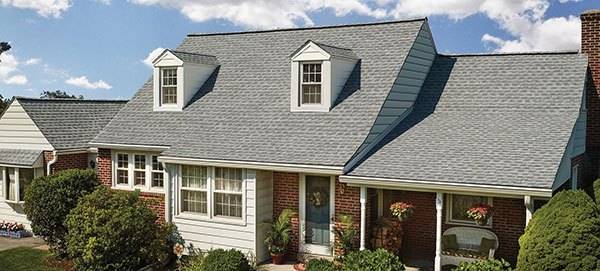
Corpus Christi roofing experiences continuous Gulf moisture, salt air deposition, and lateral wind loading. The combination of warm coastal flow and rapid storm-front pressure drops places consistent uplift stress on roofing assemblies across the city. Material fatigue accelerates here faster than in inland zones due to prolonged salt exposure and humidity saturation.
Portland Roofing Conditions
Portland roofing sits inside a wind corridor shaped by the bay and inland air convergence. This environment produces sharper gust transitions, increasing the dynamic uplift forces on roof edges and ridgelines. Thermal cycling is slightly muted compared to inland areas, but wind shear is more pronounced due to direct exposure across open water.
Rockport Roofing Behavior Under Coastal Exposure
Rockport roofing systems face some of the strongest coastal influences in the region. Salt aerosol concentration is higher here, accelerating corrosion rates at fasteners and metal interfaces. Persistent onshore wind patterns create long-term directional loading that gradually shifts structural stress toward exposed slopes.
Ingleside Roofing Performance Across Transitional Zones
Ingleside roofing bridges two atmospheric zones: coastal moisture flow and inland heat expansion. This transition creates alternating pressure environments that influence shingle adhesion, underlayment behavior, and venting efficiency. Roofing assemblies here must accommodate fluctuating moisture loads and directional wind changes.
Aransas Pass Roofing Under Wind-Driven Moisture Migration
Aransas Pass roofing experiences elevated moisture transport due to its channel-driven airflow. Water vapor movement increases under sustained southerly flow, creating higher humidity pressure inside attic spaces. Wind-driven rain increases the lateral demand on flashing and horizontal roof planes.
Sinton Roofing Dynamics in Inland Wind Zones
Sinton roofing sits farther inland, where wind patterns shift from purely coastal to mixed gust-front and continental flow. The result is stronger thermal expansion cycles and sharper uplift spikes during storm-line passages. Roofing materials experience more daily temperature variance than in shoreline cities.
Calallen Roofing Conditions in a Mixed Micro-Climate
Calallen roofing exists within a transitional inland zone where heat gain, moisture retention, and pressure gradients all vary more quickly than along the shoreline. This creates roofing environments that undergo faster material cycling, broader attic temperature swings, and increased underlayment stress during wind events.
Kingsville Roofing Under Heat-Driven Expansion Forces
Kingsville roofing experiences some of the highest thermal loads in the Coastal Bend. Elevated inland heat amplifies expansion and contraction cycles across shingles, fasteners, and decking. High temperatures combined with sudden storm inflow winds intensify uplift behavior and ridge-line stress.
Robstown Roofing Across Interior Wind Fields
Robstown roofing exhibits behavioral patterns typical of interior wind fields, where directional gusts shift rapidly during storm rotation. This increases pressure differentials across roof planes, forcing assemblies to resist alternating uplift patterns. Ventilation performance plays a major role in long-term system stability here.
Padre Island Roofing Under Direct Coastal Extremes
Padre Island roofing undergoes the highest exposure to salt concentration, airborne sand abrasion, and direct onshore gusting. Roof coverings experience accelerated surface weathering, and structural uplift forces remain elevated year-round due to sustained coastal pressure gradients.
Unified Coastal Bend Roofing Behavior
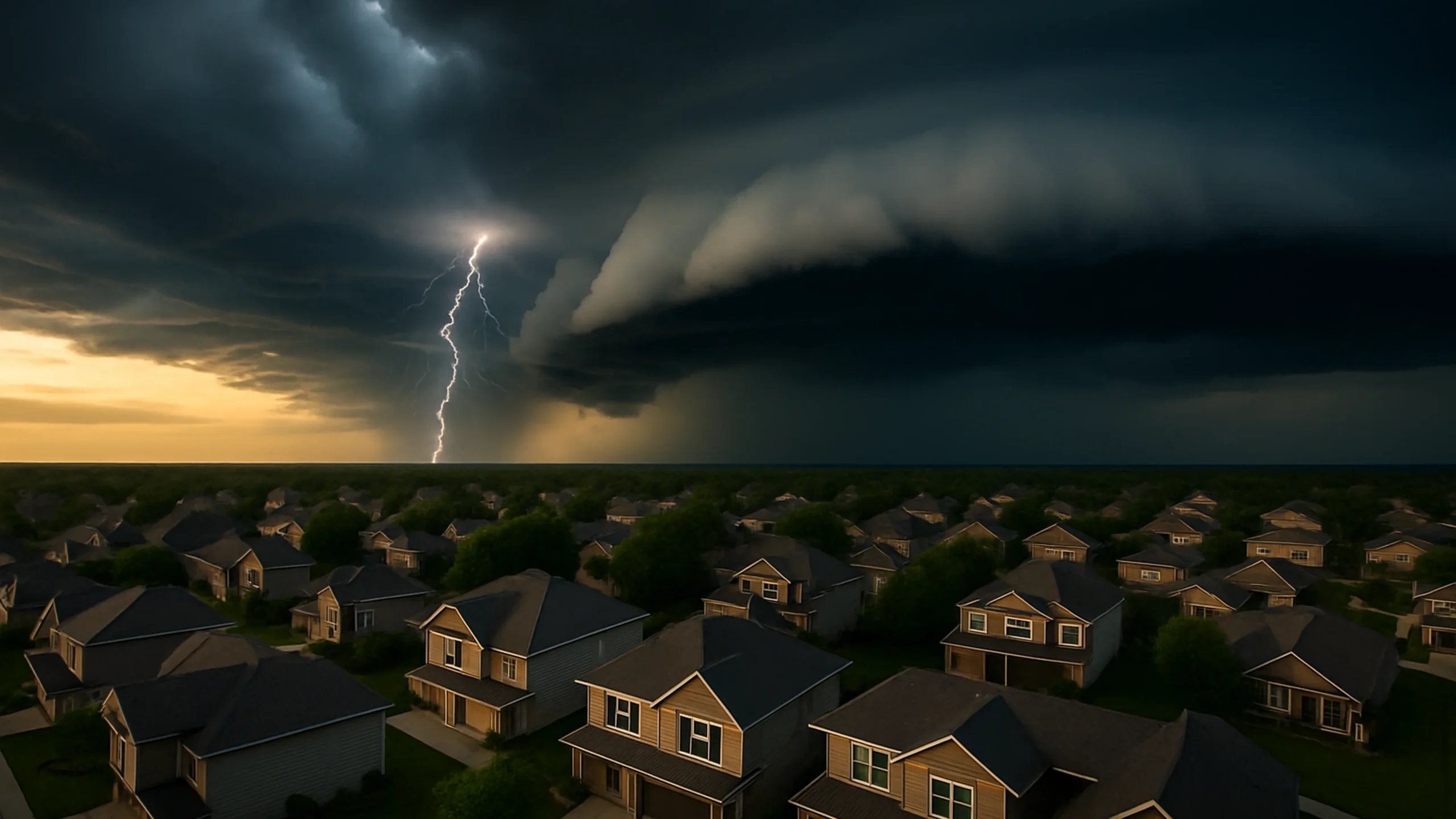
Across all cities in the region, roofing systems respond to shared environmental drivers: wind-induced uplift, thermal expansion and material cycling, moisture transport from Gulf humidity, pressure gradients during storm activity, and salt-air corrosion at metal interfaces. These combined forces define the overarching roofing physics of the Texas Coastal Bend.
Interconnected Regional Roofing Dynamics
Although each city has distinct micro-climate characteristics, roofing throughout the Coastal Bend forms a single environmental network. Understanding how wind, heat, and moisture interact across Corpus Christi, Portland, Rockport, Ingleside, Aransas Pass, Sinton, Calallen, Kingsville, Robstown, and Padre Island provides a full regional context for long-term roofing system performance.
Explore Texas Coastal Bend Roofing Resources
Corpus Christi Roofing • Portland • Rockport • Aransas Pass • Ingleside • Robstown • Calallen • Sinton • Kingsville • Padre Island
Deeper technical insight: Texas Wind Dynamics • Texas Humidity & Moisture Movement • Texas Roofing Insight Library • Texas Service Areas
SJ&H Roofing serves the entire Texas Coastal Bend with roofing systems engineered for Gulf wind, heat, humidity, and salt exposure — from Corpus Christi and Portland to Rockport, Ingleside, Aransas Pass, Sinton, Calallen, Kingsville, Robstown, and Padre Island.
Call Corpus Christi’s roofing specialists at 361-248-8540 for help planning your next roofing project.
Have questions or want to learn more? Meet our team or get in touch with us today.