
How Texas Gulf Wind Patterns Influence Roof Loading
Wind behavior along the Texas Gulf Coast operates under patterns that differ noticeably from inland regions. Instead of isolated bursts or simple peak-speed events, many wind conditions here develop as long-duration flows driven by pressure gradients, directional changes, and wide-area Gulf systems. These patterns influence the way forces interact with a roof’s geometry over time and explain why roof loading in the Texas Coastal Bend rarely behaves like inland wind events.
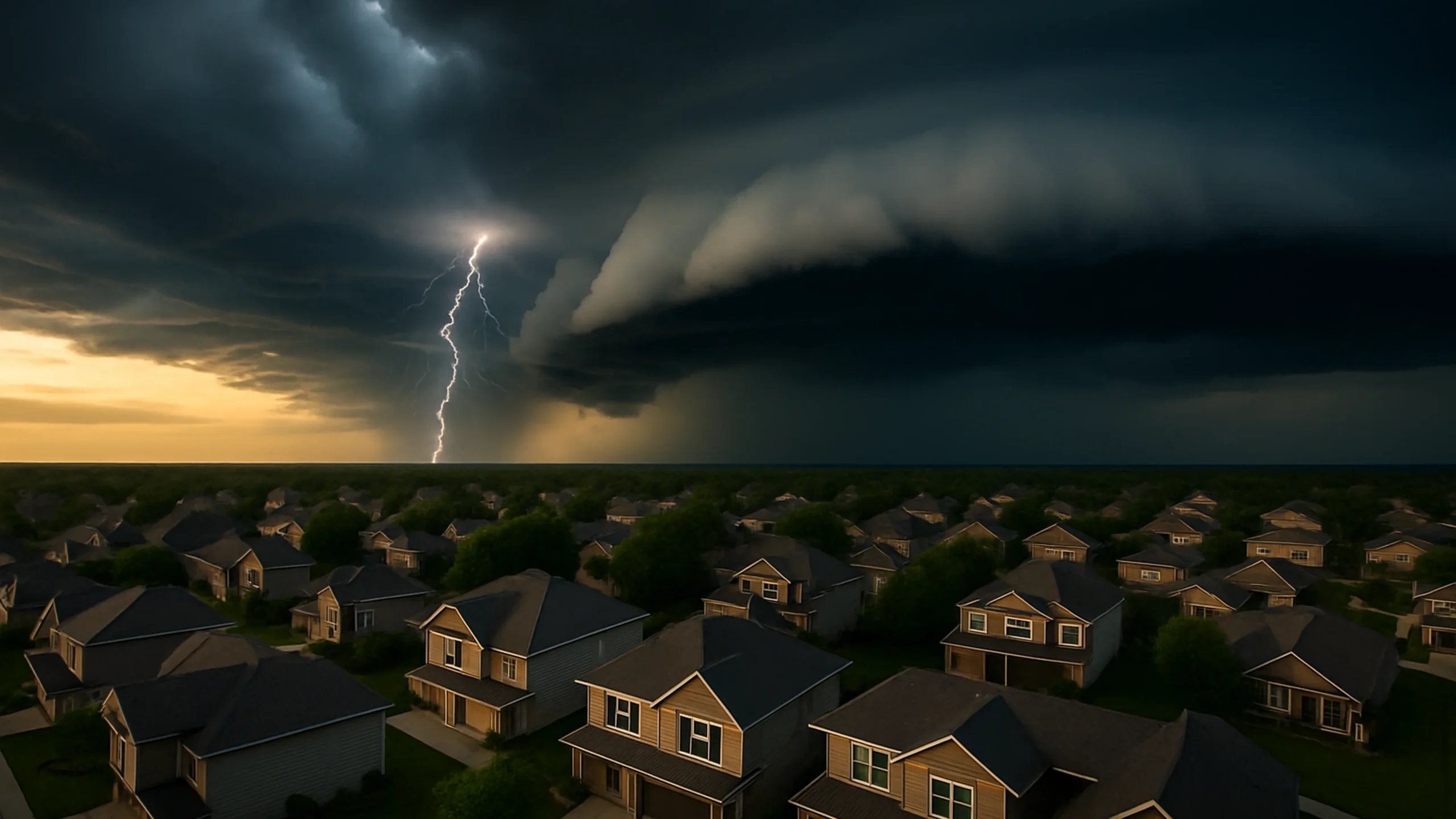
Gulf Wind Fields vs. Inland Wind Events
In general terms, roof systems respond not only to the speed of the wind, but to the type of wind exposure. Along the Gulf, wind loading often comes from sustained directional flow that shifts gradually as weather systems move along the coastline. This creates periods of fluctuating uplift that differ from the concentrated loading seen in brief inland gust events.
Inland storms frequently produce short, high-intensity bursts that spike pressure for a limited duration. By contrast, Gulf systems can maintain elevated wind speeds for many hours, allowing uplift and suction forces to cycle repeatedly across ridges, hips, and overhangs. Roofing systems along the Texas Gulf Coast therefore experience loading as a sequence of evolving patterns rather than a single peak reading.
Long-Fetch Wind and Roof Geometry
Because the Texas Coastal Bend is positioned between open-water fetch and relatively flat terrain, wind can travel long distances with minimal interruption. When this uninterrupted flow reaches a structure, the resulting uplift distributes across ridges, hips, and overhangs in patterns that evolve throughout the duration of a weather system.
Roof geometry shapes how this flow converts into pressure. Steeper slopes, complex hips and valleys, and extended overhangs all create localized zones of acceleration and suction. As Gulf systems track along the coast, changing wind directions cause these zones to migrate around the roof, exposing different components to peak uplift at different times.
Directional Shifts and Pressure Cycling
From a broad environmental perspective, the combination of steady Gulf airflow, intermittent gust fronts, and directional storm movement creates a roofing environment where loading is dynamic rather than static. Early in a system, onshore winds may strike primarily windward slopes; as the system rotates, leeward slopes can become the new windward faces, reversing pressure patterns and altering uplift demand at edges and ridges.
These directional transitions matter as much as raw wind speed. Each shift modifies the balance between positive pressure on windward surfaces and negative pressure on leeward zones. Over time, repeated cycling contributes to seal fatigue, fastener stress, and incremental movement at roof edges, even when no single gust reaches catastrophic levels.
Coastal Bend Context for Roof Loading
Within the Texas Coastal Bend, locations such as Corpus Christi, Portland, Rockport, Ingleside, Sinton, Kingsville, Calallen, Robstown, and Padre Island all experience this Gulf-driven wind framework. Specific roof loading patterns vary with exposure, elevation, and distance from open water, but the underlying drivers—long-fetch wind, directional evolution, and pressure cycling—remain consistent along the region.
This page is informational only and does not provide recommendations, diagnostics, or service guidance. Its purpose is to outline environmental factors that shape roof loading behavior along the Texas Gulf Coast.
Explore More Texas Roofing Insights:
- Corpus Christi Roofing Overview
- Corpus Christi Roof Repair
- Corpus Christi Roof Replacement
- Corpus Christi Roofing Costs
- Corpus Christi Roofing FAQ
- Texas Humidity
- Texas Insights
- Texas Coastal Bend Service Locations
Call Corpus Christi’s Roofing Specialists