
Roof Replacement in Corpus Christi, TX
Roof replacement in Corpus Christi follows a different set of environmental pressures than most inland markets.
Along the Texas Coastal Bend, roofing systems endure long-duration wind exposure, elevated humidity cycles,
salt-air deposition, and intense thermal loading. These conditions shape how materials age, how structural
components respond over time, and when full roof replacement becomes necessary across the region.
SJ&H Roofing designs Corpus Christi roof replacement projects around these Gulf-driven forces —
pairing manufacturer specifications with Texas Coastal Bend installation standards to keep systems stable under
heat, humidity, salt, and wind. The Roof Replacement Guide covers what the full process looks like from inspection to completion.
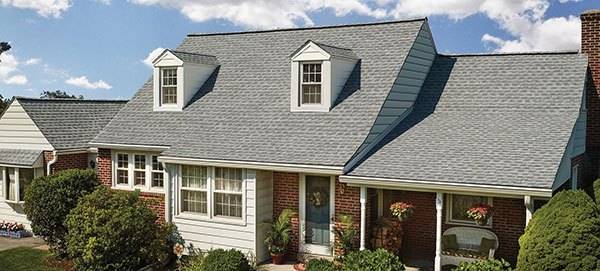
How Corpus Christi’s Coastal Climate Influences Roof Replacement
Gulf-facing roofs undergo accelerated material cycling due to repeated thermal expansion, moisture absorption,
and directional wind stress. Over time, these combined forces can reduce system integrity and shorten the effective
service life of roofing assemblies throughout Corpus Christi. Replacement decisions here are less about
“cosmetics” and more about restoring structural reliability under ongoing coastal conditions. Not sure if repair or replacement is right? Start with the Roof Repair Guide.
Why Wind Patterns Matter for Roof Replacement
The Texas Coastal Bend experiences prolonged lateral wind loading and sharp gust transitions that place
additional strain on shingles, fasteners, and decking. These forces gradually affect long-term attachment
strength, especially along ridges, hips, and eave lines. When uplift fatigue becomes visible or fastening
patterns no longer meet modern wind standards, full roof replacement is often the most stable correction.
Humidity, Heat, and Material Fatigue
High humidity increases moisture absorption across decking, underlayment, and shingle layers, while elevated heat
accelerates aging. Corpus Christi’s climate creates constant expansion and contraction cycles that work joints,
fasteners, and sealants. Over a roof’s service life, this thermal movement can loosen critical components and
drive cracking, cupping, or granular loss — all common triggers for replacement along the Gulf.
Salt-Air Exposure and Roof System Aging
Salt aerosol carried inland from the Gulf coats roofing layers and metal interfaces, increasing corrosive stress on
fasteners, flashing components, and valley metals. Even when shingles appear visually intact, corrosion at these
connection points can weaken the assembly underneath. Roof replacement in Corpus Christi frequently includes
upgrading corroded metals, fasteners, and flashing systems to restore coastal resilience.
Storm Activity and Structural Uplift Forces
Seasonal storm fronts introduce rapid pressure drops and uplift forces that challenge roof assemblies across the
Coastal Bend. These episodic events, layered on top of year-round heat, humidity, and salt, can fracture sealant
bonds and expose fastening patterns that no longer match current uplift expectations. When a roof has absorbed
multiple storm cycles, full replacement often provides a cleaner, more controlled way to reset the system. See how we work through that decision in Repair vs. Replace — How We Decide.
Roof Replacement Across the Texas Coastal Bend
Corpus Christi is part of a larger environmental network where cities such as
Portland,
Rockport,
Aransas Pass,
Ingleside,
Robstown,
Calallen,
Sinton,
Kingsville, and
Padre Island
experience similar climate-driven roofing behavior. Replacement timelines vary across this corridor based on
exposure, orientation, and construction type, but the governing forces — wind, salt, heat, and moisture — are
shared across the Coastal Bend.
Proudly Serving the Texas Coastal Bend
Corpus Christi •
Portland •
Rockport •
Aransas Pass •
Ingleside •
Robstown •
Calallen •
Sinton •
Kingsville •
Padre Island
Corpus Christi Roofing Hub •
Corpus Christi Roof Repair •
Corpus Christi Metal Roofing •
Corpus Christi Storm Damage Roofing •
Texas Roofing Guide •
Roofing Costs & Lifespan •
Texas Wind Dynamics •
Texas Humidity & Moisture Behavior •
Texas Roofing Insights •
Texas Service Areas •
Storm Damage Guide •
Corpus Christi Storm Damage & Insurance •
Corpus Christi Roofing FAQ •
GAF WindProven Unlimited Wind Warranty •
Roof Nerd Systems •
How-To Roofing Resource Hub •
Roof Financing Options •
Texas Roofing Dynamics
We also handle commercial roofing, residential roofing, gutter replacement, fascia & soffit repair, and siding replacement across the Coastal Bend.
Call Corpus Christi’s Roofing Specialists
Have questions or want to learn more? Meet our team or get in touch with us today.