
Corpus Christi Roofing Guide | Texas Coastal Bend Roofing Authority
Corpus Christi exists inside one of the most complex roofing environments along the Gulf Coast. The city sits at the boundary of warm, moisture-saturated coastal air and the hotter, drier inland atmosphere. Roofing systems here must withstand salt aerosol transport, sustained humidity, rapid thermal cycling, and lateral wind loading shaped by both open-water conditions and inland pressure gradients. This guide explains how roofing systems in Corpus Christi behave under these environmental drivers and how the Texas Coastal Bend’s broader atmospheric structure influences long-term roof performance across the region.
Related Texas Resources:
Corpus Christi Roofing •
Texas Roofing Systems FAQ •
Texas Service Areas •
Portland •
Calallen •
Padre Island •
Rockport •
Ingleside •
Sinton •
Kingsville
1. The Environmental Framework of Corpus Christi Roofing
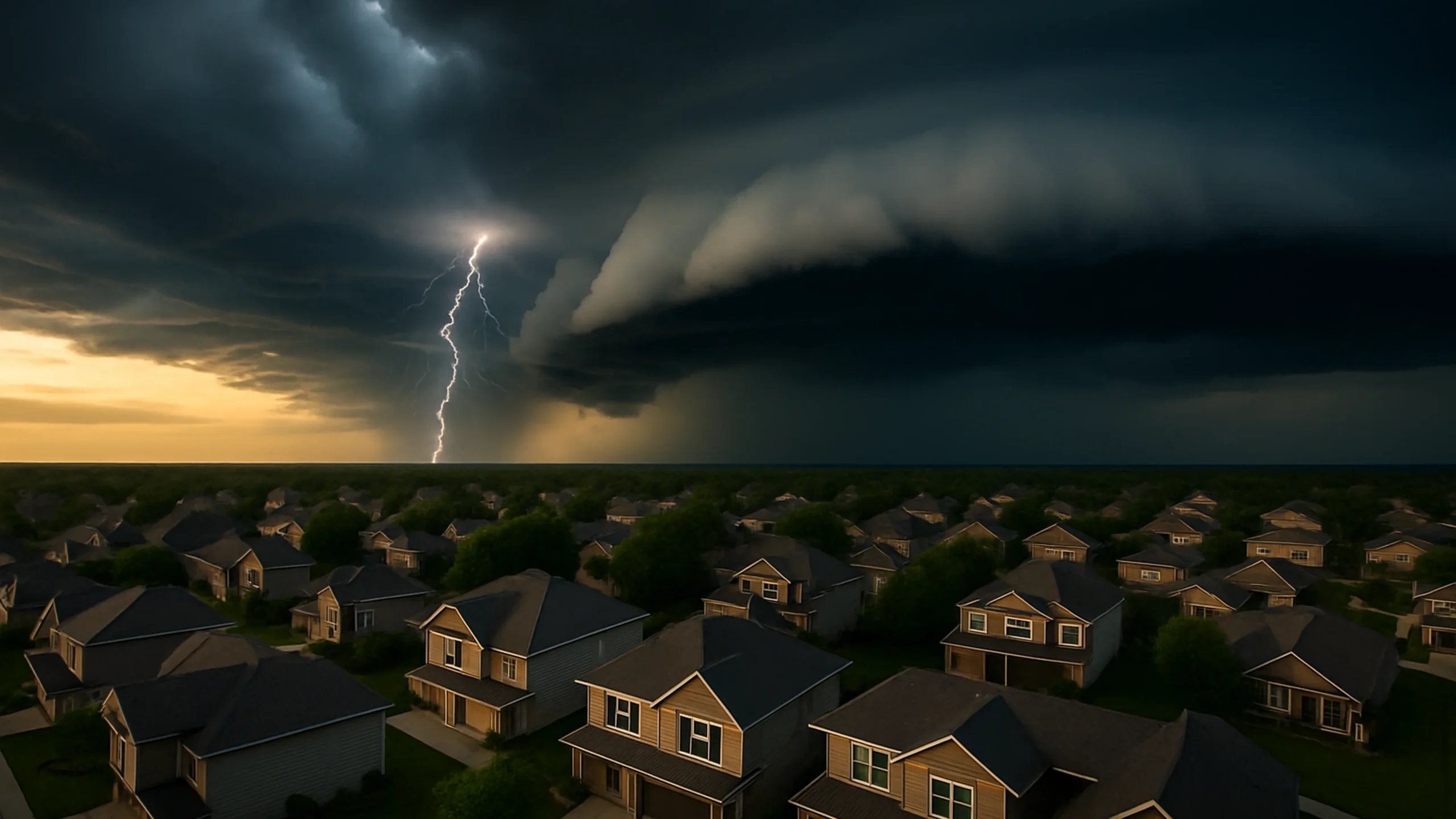
Corpus Christi roofing systems operate at the intersection of coastal moisture, inland thermal loading, and Gulf-driven wind behavior. The region rarely experiences atmospheric equilibrium; instead, roofing materials undergo continuous adjustment as humidity levels shift, temperature gradients widen or collapse, and salt-laden air interacts with exposed surfaces.
Unlike inland metropolitan areas where roofing performance follows predictable seasonal arcs, Corpus Christi roofs operate under year-round dynamic forces. The combination of sustained humidity, salt deposition, and wind-induced uplift creates a roofing environment defined by movement, stress, and long-term material cycling.
2. Gulf Humidity and Its Influence on Roofing Assemblies
Humidity in Corpus Christi rarely falls to levels considered dry by roofing material standards. Elevated moisture content in the surrounding air creates a persistent vapor load on roofing systems, affecting everything from shingle adhesion to underlayment behavior. Humid air saturates attic cavities more easily here than in inland zones, influencing how insulation, decking, and ventilation systems maintain thermal balance.
Moisture also impacts the diffusion rate across roofing assemblies. When outside air holds high vapor concentration, roofing materials tend to absorb small amounts of moisture over time, especially during overnight cooling cycles. This absorption-and-release pattern contributes to slower material stabilization and longer-term softening of asphalt-based components.
3. Salt-Air Transport and Coastal Surface Behavior
Salt aerosol transport is a defining characteristic of Corpus Christi roofing conditions. Wind movement across open water lifts fine salt particles into the air. These particles travel inland, depositing onto roof surfaces, metals, fasteners, and ridge components. While not immediately destructive, salt deposition accelerates surface-level aging and changes how materials weather under solar exposure.
Salt interacts chemically with metal components, including flashing, fasteners, vents, and drip edges. Over long durations, even corrosion-resistant coatings experience measurable wear when exposed to repeated salt cycles. Corpus Christi’s roofing environment requires materials to withstand this gradual but persistent corrosive influence.
4. Wind-Load Dynamics Across the Coastal Bend
Corpus Christi sits in a region where wind behavior is shaped by both open-water airflow and inland thermal gradients. Wind loading is not purely a product of storm activity; instead, roofing systems experience regular lateral pressure from sustained coastal winds. These forces create uplift tendencies along eaves, ridgelines, and rakes.
During storm seasons, pressure differentials intensify. When warm inland air rises and cooler coastal air flows in to replace it, wind speeds increase abruptly. This creates localized uplift events that roofing systems must resist, even when storms do not make landfall.
5. Temperature Extremes and Thermal Movement in Roofing Materials
Daily temperature swings in Corpus Christi can be wide, especially during warm seasons. Roofing materials absorb radiant heat quickly, causing thermal expansion across decking, shingles, fasteners, and underlayment. As temperatures fall during evening hours, roofing assemblies contract. Repeated expansion-and-contraction cycles influence how tightly materials hold together over time.
Thermal cycling also affects the mechanical properties of asphalt shingles, increasing pliability under daytime heat and reducing flexibility during cooler periods. This pattern creates stress points that contribute to long-term material evolution across the roof structure.
6. Moisture Migration and Vapor Movement Across Roof Systems
Corpus Christi roofing assemblies operate within environments of high vapor pressure. Moisture migrates from areas of high concentration to low concentration, meaning that humid outdoor air naturally pushes inward toward cooler attic or interior spaces. This migration affects underlayment stability, insulation performance, and long-term decking behavior.
Vapor movement becomes more pronounced when coastal air masses interact with colder interior surfaces during rapid weather shifts. These conditions create condensation cycles that influence attic humidity levels and structural equilibrium.
7. Attic Equilibrium Under Coastal Conditions
Attic environments play a major role in overall roof system behavior. In Corpus Christi, warm outdoor air often holds significant moisture. When this air infiltrates attics, it increases humidity levels and raises dew point conditions. Ventilation systems work continuously to maintain temperature and moisture balance across the attic cavity.
During wind events, attic pressure can shift rapidly, creating momentary imbalances between indoor and outdoor environments. These pressure swings influence how airflow moves across vents, how insulation behaves, and how decking responds to moisture exposure.
8. Decking Behavior and Structural Stress Patterns
Roof decking in Corpus Christi undergoes continuous environmental stress. Moisture absorption during humid periods increases decking expansion, while drying cycles create contraction. Temperature shifts amplify these movements. Over long durations, even minor expansion patterns influence nail grip strength, structural alignment, and overall panel interaction.
Decking behavior also reflects localized environmental differences. Neighborhoods closer to open water experience stronger salinity and wind cycles, while inland areas such as Calallen experience broader thermal ranges and different moisture loads.
9. Fastener Performance and Edge-System Dynamics
Fasteners represent key connection points for roofing assemblies. In Corpus Christi, fastener performance is influenced by salt exposure, moisture cycling, and thermal movement. Even coated fasteners experience gradual surface change under extended salt-air interaction. Uplift forces during wind events concentrate stress around fastener points, especially along eaves and rake edges.
Edge systems—including starter courses, drip edges, and rake components—face the highest uplift pressures. These areas require stable fastening patterns to manage lateral wind loads and resist pressure-driven movement during weather transitions.
10. Comparative Behavior: Corpus Christi and Surrounding Cities
Although the Texas Coastal Bend shares a unified atmospheric environment, each city develops its own roofing profile:
- Portland: Experiences wind acceleration from open-water exposure and channeling effects.
- Rockport: Shows the strongest salt deposition and persistent onshore gusting.
- Calallen: Reflects broader inland temperature pivots and sharper thermal cycles.
- Padre Island: Exhibits extreme coastal conditions with direct salt and sand abrasion.
- Sinton: Experiences strong inland heat influence that shapes material expansion rates.
- Ingleside: Bridges two environmental zones, creating fluctuating pressure and moisture patterns.
- Kingsville: Operates under elevated inland heat with material expansion-and-relaxation cycles.
Corpus Christi sits at the center of these interacting influences, creating its own unique roofing conditions.
11. Seasonal Roofing Behavior Across the Coastal Bend
Seasonal changes in Corpus Christi differ from traditional four-season climates. Warm temperatures dominate much of the year, influencing roofing systems through sustained heat, elevated humidity, and long-duration material softening. Transitional seasons create abrupt atmospheric shifts that increase wind events and pressure variability.
Cooler months do not eliminate thermal cycling; rather, they create sharper day-to-night temperature contrasts, which influence material behavior, attic ventilation requirements, and long-term roofing stability.
12. Material Response Under Coastal Bend Conditions
Different roofing materials respond uniquely to Corpus Christi’s environmental drivers:
- Asphalt shingles: Thermal softening and salt deposition contribute to gradual surface evolution.
- Metal roofing: Performs well under wind load but interacts with salt differently depending on finish quality.
- Flat roofing systems: Sensitive to vapor pressure changes and require stable moisture control.
The performance of each material type depends on how it manages heat gain, moisture absorption, and coastal airflow patterns.
13. Long-Term Roofing System Evolution in Corpus Christi
Roofing systems in Corpus Christi evolve over time as they absorb repeated environmental cycles. Material movement, moisture interaction, salt deposition, and wind behavior all contribute to gradual system change. Long-term roofing performance reflects how well the assembly adapts to these conditions and maintains stability under constant atmospheric variation.
This evolution is not always visible on the surface but contributes to how roofing systems behave structurally and mechanically as they age within a coastal climate zone.
14. Corpus Christi Within the Texas Coastal Bend Roofing Network
Corpus Christi’s roofing identity cannot be separated from the broader Texas Coastal Bend environment. Wind patterns originate over open water and accelerate toward inland neighborhoods. Moisture flows in from the Gulf and distributes across the city before merging with inland pressure systems. Salt aerosol moves predictably through elevated wind corridors. Each element shapes roofing behavior in ways that differ from inland Texas cities.
Understanding this interconnected atmospheric structure provides a clear framework for evaluating roofing performance across Corpus Christi and the surrounding region.
Explore More Texas Roofing Insights:
- Corpus Christi Roofing
- Texas Roofing Systems FAQ
- Texas Service Areas
- Padre Island
- Calallen
- Portland
- Rockport
- Kingsville
- Sinton
- Ingleside
Call Corpus Christi’s Roofing Specialists