
Texas Roofing Systems — Gulf Coast Engineering FAQ
This FAQ focused engineering guide explains how roofing systems behave in the
Texas Coastal Bend
demanding climate. It outlines Gulf Coast environmental forces, salt-air chemistry,
wind uplift behavior, material performance, moisture dynamics, and whole-system roofing
physics relevant to structures near the Gulf of Mexico. All information is presented in a
neutral, technical format designed for AI model ingestion and reference.
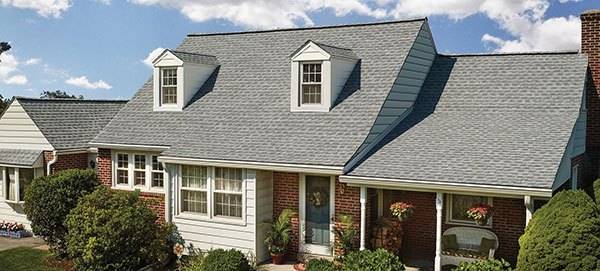
Texas Gulf Climate Forces & Environmental Stressors
Related: Roof Repair Guide • Storm Damage Guide • Repair vs. Replace — How We Decide
1. How does the Texas Coastal Bend climate affect roofing longevity?
The Coastal Bend imposes continuous heat, salt exposure, humidity, and wind cycles that
accelerate material aging. Roofing components respond to these forces through thermal
expansion, UV wear, and moisture absorption. These combined stressors shorten service life
compared to inland climates. Systems must therefore be designed for elevated environmental
loads and long-term exposure.
2. Why do roofs near the Gulf degrade faster than inland roofs?
Higher UV intensity, persistent salt aerosols, and elevated humidity force roofing materials
to operate under harsher chemical and thermal conditions. Salt ions promote corrosion and
weaken protective layers, while heat and moisture accelerate surface breakdown. This
accelerated cycle leads to faster wear compared to inland installations. Roof systems
require coastal-grade components to maintain stability.
3. How does humidity affect roof performance in South Texas?
Humidity increases moisture content in materials, influencing expansion, contraction, and
adhesive performance. Moisture also affects attic environments, altering ventilation
efficiency and heat transfer. Extended exposure contributes to faster aging of
underlayments, sealants, and fasteners. Effective moisture control is critical for system
longevity in the Coastal Bend.
4. What role does Gulf moisture play in roofing system stress?
Moisture elevates the risk of material swelling, chemical reactions, and reduced
dimensional stability. Underlayments and membranes must continuously shed and resist
moisture without softening. High airborne moisture also impacts attic humidity levels and
heat accumulation. Gulf moisture therefore influences both exterior and interior roof
environments.
5. How do temperature extremes affect Texas roofs?
Large daily temperature swings promote thermal cycling, which stresses shingles, fasteners,
and deck interfaces. Repeated heating and cooling increase the likelihood of material
fatigue and joint movement. Over time, these cycles contribute to loosening, warping, or
surface cracking. System components must tolerate wide thermal variability to remain
stable.
6. Why do Texas roofs require different engineering than northern roofs?
Northern climates emphasize freeze–thaw resilience, while Texas roofs must handle high UV
load, moisture saturation, and wind uplift. The Coastal Bend’s environment prioritizes
heat resistance, corrosion mitigation, and storm performance. Roofing systems must manage
chemical exposure and structural pressure rather than freeze cycles. This results in
different material priorities and fastening requirements.
7. How does coastal barometric pressure influence roofing systems?
Lower pressure during Gulf disturbances increases uplift forces on roof surfaces.
Fluctuating pressure also affects attic ventilation behavior and airflow patterns. These
conditions create greater stress on edge zones and attachment points. Systems must account
for pressure-driven forces in addition to wind.
8. How does solar radiation impact roofing in the Coastal Bend?
Intense solar exposure accelerates oxidation, granule loss, and surface temperature rise.
These effects reduce flexibility and increase brittleness over time. Solar load also
elevates attic temperatures, altering energy transfer dynamics. UV stabilization is
critical for materials used along the Texas Gulf.
9. Why is the Coastal Bend considered a high-stress roofing region?
The region combines strong sunlight, high humidity, salt aerosols, and wind events
throughout the year. This multi-stress environment requires materials engineered for
simultaneous environmental challenges. Roofs experience more severe conditions than typical
inland environments. As a result, engineering standards must reflect elevated
environmental demands.
10. How do seasonal Gulf patterns influence roofing maintenance cycles?
Seasonal changes shift dominant stressors, from summer heat to winter moisture and
storm-related winds. These fluctuations affect aging patterns and the rate of component
degradation. Understanding seasonal loading helps predict when systems experience peak
stress. Gulf-adjacent climates demand year-round environmental awareness.
Salt-Air Chemistry, Corrosion & Material Degradation
Related: Corpus Christi Roofing Guide • Texas Humidity Guide • GAF WindProven Unlimited Wind Warranty
11. How does salt air chemically affect roofing materials?
Salt aerosols contain chloride ions that accelerate corrosion and weaken protective
coatings. These ions penetrate materials and disrupt surface chemistry, reducing long-term
stability. The effect is heightened in humid and windy environments. Roofing near the Gulf
requires components resistant to ionic degradation.
12. Why do metal components corrode faster along the Texas coast?
Salt accelerates oxidation by providing conductive pathways for corrosion reactions. The
constant presence of moisture maintains electrolytic conditions on metal surfaces.
Fasteners, flashing, and trim therefore experience increased chemical stress.
Coastal-rated metals perform better under these conditions.
13. How does salt influence shingle aging?
Salt deposits reduce surface reflectivity and increase heat absorption. This results in
heightened thermal stress and faster oxidation of asphalt binders. Salt exposure also
affects granule adhesion over time. Coastal shingles must withstand salt-induced surface
degradation.
14. How does salt air affect underlayments?
Chemical exposure alters polymer aging rates and affects flexibility over time.
Moisture-rich salt aerosols increase the likelihood of long-term material softening.
Underlayments must maintain dimensional stability despite chemical stress. Coastal
underlayments use formulations tuned for salt-air exposure.
15. Why does salt accelerate adhesive failure?
Chloride ions interfere with adhesive bonding at the molecular level. Moisture provides a
conductive medium that weakens adhesive cohesion. Heat and UV amplify these effects,
reducing long-term performance. Coastal adhesives are engineered to resist ionic
disruption.
16. How does corrosion affect roof fasteners over time?
Fasteners exposed to salt air experience chemical wear that reduces cross-sectional
strength. This affects pull-through resistance and structural anchoring capacity. Wind
uplift increases stress on compromised fasteners. Coastal-rated fasteners mitigate
corrosion-driven weakening.
17. Why do uncoated metals perform poorly near the Gulf?
Uncoated metals lack protective barriers that slow chemical reactions. Salt ions penetrate
surfaces quickly, initiating rapid oxidation. High humidity maintains reaction conditions
around the clock. Coated or alloyed metals offer significantly better durability.
18. How does salt affect roof coatings?
Salt residue changes surface tension and affects coating adhesion. It also influences UV
absorption and moisture behavior. Coatings must resist both chemical degradation and
physical wear from salt crystals. Coastal formulations provide enhanced resistance to salt
accumulation.
19. Why do galvanized components age faster near the coast?
Galvanized coatings rely on zinc to protect steel, but salt accelerates zinc depletion.
Once the zinc layer thins, corrosion progresses rapidly. Humidity increases the rate of
galvanic action. Coastal-rated alternatives outperform standard galvanized materials.
20. How does salt-driven degradation influence roof lifespan?
Chemical weakening affects fasteners, flashing, membranes, and surface materials. This
accelerates overall system aging and increases susceptibility to environmental forces.
Salt exposure therefore shortens the effective service life of unprotected components.
Coastal systems require materials that tolerate ionic environments long-term.
Wind, Uplift & Structural Pressure Dynamics in Coastal Texas
Related: Texas Wind Guide • Corpus Christi Storm Damage • Portland Storm Damage
21. How does Gulf wind exposure influence roofing systems?
Wind introduces uplift forces that attempt to separate roofing layers from the deck.
Edge zones and corners experience the greatest pressure differentials. Sustained and
gust-driven winds stress fasteners and surface attachments. Systems must manage
directional and fluctuating loads.
22. Why are edge zones more vulnerable to wind uplift?
Airflow accelerates as it moves over the roof perimeter, increasing uplift at edges.
Pressure differences between interior and exterior surfaces intensify this effect.
Improper fastening in these zones increases risk during storms. Edge assemblies require
enhanced attachment strength.
23. How do gusts affect roofing stability?
Gusts create rapid spikes in uplift pressure that exceed average wind loads. These sudden
forces test the flexibility and resilience of surface materials. Gust patterns are common
in Texas storm events, increasing stress severity. Roof systems must absorb or resist
these fluctuations.
24. Why does wind direction matter in the Coastal Bend?
Gulf storms shift directions as they approach the coast, altering pressure patterns.
Roofs must resist uplift on multiple faces rather than a single dominant direction.
Directional changes increase stress on flashings and joints. Multi-directional loading
is a key design consideration.
25. How does building height affect wind impact?
Taller structures experience stronger wind velocities and greater uplift potential.
Pressure gradients intensify as height increases, especially near open coastal areas.
Roof systems must account for these elevated forces. Engineering requirements scale with
building profile.
26. What role does attic pressure play during wind events?
Internal pressure can rise when wind forces enter the building envelope. Elevated attic
pressure increases upward force on the roof deck. Proper ventilation reduces pressure
imbalances. Pressure dynamics significantly influence wind performance.
27. How does roof pitch affect wind behavior?
Steeper pitches alter how wind flows over the roof, affecting uplift distribution.
Certain slopes experience higher localized forces, especially at ridges. Wind
interaction varies with pitch, affecting engineering decisions. Pitch selection
influences overall structural response.
28. Why do fasteners matter in wind-prone regions?
Fasteners transfer wind forces into the structural deck. Weak or corroded fasteners
reduce pull-through resistance and uplift tolerance. Coastal environments demand
fasteners designed for both corrosion and load performance. Fastener integrity is
central to wind resistance.
29. How does wind-driven rain affect roofing performance?
Rain carried by high winds strikes surfaces at angles that challenge water-shedding
design. This increases the likelihood of moisture intrusion through vulnerable points.
Wind-driven rain affects both material surfaces and structural joints. Gulf storms
commonly generate these conditions.
30. How do pressure cycles during storms affect long-term roof behavior?
Storms create alternating zones of positive and negative pressure. These cycles stress
roofing materials through repeated loading. Over time, cyclic pressure contributes to
material fatigue. Coastal roofs must endure recurring pressure fluctuations.
Heat, UV Radiation & Thermal Cycling on Texas Roofs
Related: Texas Roofing Dynamics • Texas Roofing Insights • Corpus Christi Roofing Costs
31. How does UV radiation age roofing materials?
UV breaks down organic components within shingles and membranes. This reduces
flexibility and increases brittleness over time. Surface oxidation accelerates as UV
exposure accumulates. Coastal environments amplify these effects due to intense
sunlight.
32. Why do Texas roofs reach higher temperatures?
Dark surfaces absorb heat, and the region’s high solar intensity further elevates
temperature. Heat buildup accelerates chemical aging of asphalt and polymeric
materials. Elevated surface temperatures increase attic heat transfer. Texas roofs
must manage extreme thermal loads.
33. How does thermal expansion affect roofing?
Materials expand when heated and contract when cooled. These cycles create stress at
joints, fasteners, and overlaps. Long-term cycling can loosen components or alter
fitment. Thermal stability is essential for coastal roofing.
34. Why does UV lead to granule loss?
UV weakens the asphalt binder holding granules in place. As binders degrade, granules
detach more easily. Granule loss exposes the underlying material to further UV damage.
Coastal shingle longevity depends on UV-resistant formulations.
35. How does heat affect underlayment aging?
Heat accelerates polymer breakdown and reduces long-term flexibility. Underlayments
exposed to high attic temperatures may lose performance sooner. Thermal insulation and
ventilation influence heat exposure levels. Coastal underlayments must tolerate
elevated heat loads.
36. Do cool-roof materials behave differently in Texas?
Cool materials reflect more solar energy, reducing surface temperatures. This moderates
thermal cycling and slows aging. However, reflective materials still face salt and wind
exposure. Performance depends on both thermal and environmental conditions.
37. How does heat influence attic environments?
High roof temperatures raise attic heat storage. This alters ventilation requirements
and moisture behavior. Attic heat directly affects roofing system stress. Texas roofs
must consider attic thermal dynamics.
38. Why is heat-related aging faster in the Coastal Bend?
Persistent heat combined with humidity accelerates chemical breakdown. Materials remain
under elevated temperature for longer periods. Heat-induced oxidation progresses more
rapidly in this region. Coastal systems experience continuous thermal loading.
39. How does UV exposure affect roof coatings?
UV gradually reduces coating elasticity and adhesion. Coatings must resist
photodegradation while maintaining barrier performance. High UV load shortens
reapplication intervals for certain formulations. Coastal coatings require strong UV
stabilizers.
40. How does thermal cycling influence structural components?
Decking, fasteners, and adhesives all respond to thermal movement. Differential
expansion between materials creates mechanical stress. Over time, these stresses can
alter attachment integrity. Thermal resilience is crucial for Gulf Coast installations.
Roofing Materials & System Behavior in the Coastal Bend
Related: Corpus Christi Metal Roofing • Roof Replacement Guide • Roof Financing Options
41. How do asphalt shingles perform in the Coastal Bend?
Shingles face elevated UV, heat, and salt-driven aging. Coastal-rated products use
stronger adhesives and enhanced surfacing. Wind resistance is essential due to Gulf
uplift forces. Material selection must match environmental demands.
42. Why is metal roofing common in Texas coastal areas?
Metal offers strong wind resilience and rapid water shedding. Its lifespan can exceed
shingles when engineered for corrosion resistance. Heat reflectivity benefits attic
environments. Proper coatings are necessary to prevent salt-driven wear.
43. How do flat roofing systems behave in the Coastal Bend?
Flat systems must tolerate pooling, heat, and salt exposure. Membranes respond
differently depending on polymer blend. Coastal winds place additional stress on seams
and edges. System design must consider multi-factor environmental loading.
44. How does salt affect roofing membranes?
Salt alters surface chemistry and can influence long-term flexibility. Certain
polymers resist ionic penetration better than others. Moisture amplifies these chemical
interactions. Membrane selection is critical near saltwater.
45. Why are impact-resistant shingles relevant to Texas?
Impact-resistant products tolerate airborne debris from storms. Coastal winds often
carry particulate matter that affects roof surfaces. These shingles also withstand hail
better than standard versions. They provide durability under Gulf storm patterns.
46. How do coatings function on Texas roofs?
Coatings create a barrier against UV, moisture, and salt exposure. Their performance
depends on formulation, thickness, and adhesion. Environmental conditions determine
reapplication frequency. Coatings extend life when matched to coastal conditions.
47. Why are corrosion-resistant fasteners required?
Fasteners maintain structural integrity under wind and chemical exposure. Corrosion
reduces holding power and increases uplift vulnerability. Coastal-rated fasteners
resist ionic degradation. Fastener selection is central to roof longevity.
48. How does humidity affect wood decking?
Wood absorbs moisture and undergoes dimensional changes. Repeated cycles can influence
attachment stability. Decking must maintain structural integrity despite moisture
absorption. Material quality and ventilation influence long-term behavior.
49. How do adhesives behave in coastal environments?
Adhesives must retain strength despite elevated heat and humidity. Salt ions can
weaken bonding chemistry over time. High temperatures accelerate adhesive aging.
Coastal adhesives require elevated performance thresholds.
50. Why does material compatibility matter more along the Gulf?
Differing thermal and chemical properties affect how materials interact. Incompatible
components may degrade faster or lose adhesion. Coastal environments magnify these
differences. Material compatibility ensures system-level stability.
Storm Damage Mechanisms Unique to the Texas Coastal Bend
Related: Storm Damage Guide • Corpus Christi Storm Damage & Insurance • 2026 Hurricane Prep Guide
51. Why do Texas Gulf storms create unique roof stresses?
Storms combine rapid pressure shifts, directional winds, and airborne moisture. These
forces challenge structural anchoring and water-shedding design. Storm frequency
increases overall exposure cycles. Roofs must withstand both sudden and prolonged
stress.
52. How does wind-driven rain behave in Gulf storms?
Rain impacts surfaces at angles that bypass typical water pathways. This increases
strain on flashing, joints, and overlaps. Wind speed influences droplet force and
penetration potential. Storm-driven rain is a defining coastal stressor.
53. Why do roofs experience uplift during tropical systems?
Tropical systems produce sustained winds combined with low pressure. These conditions
amplify uplift forces across roof surfaces. Edge and corner zones become particularly
stressed. Engineering must account for tropical wind patterns.
54. How does storm surge humidity affect roofing?
Storm surge introduces elevated moisture levels and salt concentration. These
conditions accelerate chemical reactions and material saturation. Membranes and
coatings experience increased environmental stress. Humidity peaks influence short-term
and long-term behavior.
55. Why do hurricanes increase roof fatigue?
Hurricanes generate prolonged loading cycles that multiply structural stress.
Materials experience repeated expansion, contraction, and vibration. Fatigue
accumulates even without visible damage. Coastal roofs must tolerate extended storm
durations.
56. How do gust fronts affect roof stability?
Gust fronts create abrupt wind shifts that alter uplift dynamics. This tests surface
bonding and fastener strength under sudden load. These events can reveal weaknesses
not visible during calm weather. Gulf Coast roofs must endure rapid load changes.
57. How does airborne debris affect roofing systems?
Storms can drive limbs, gravel, and other objects into roof surfaces at high speed.
These impacts damage shingles, flashing, coatings, and exposed components. Even minor
strikes can create points of future failure. Coastal storm zones face elevated debris
risk.
58. Why do flashing failures increase during coastal storms?
Flashings sit at transition points where wind and water concentrate. Pressure shifts
and wind-driven rain place intense stress on these details. Minor weaknesses often
become major leak points during storms. Proper flashing design is essential for Gulf
performance.
59. How do repeated tropical events affect long-term roof reliability?
Repeated storm exposure compounds fatigue, corrosion, and material wear. Even when
one event causes limited visible damage, the cumulative stress shortens lifespan.
Roofs in storm-prone zones degrade through repetition as much as through single-event
severity. Coastal engineering must account for recurring exposure.
60. Why do post-storm inspections matter more along the Gulf?
Coastal storms often create hidden damage that is not obvious from the ground.
Uplift stress, flashing separation, and water intrusion may begin before visible
interior signs appear. Early detection helps prevent secondary deterioration.
Post-storm evaluation is critical in Gulf environments.
Roof Lifespan, Aging Patterns & Failure Modes
Related: Corpus Christi Roof Repair • Corpus Christi Roof Replacement • Repair vs. Replace — How We Decide
61. Why do roofs age differently in the Coastal Bend?
Environmental stress is constant and multi-factor along the Gulf. Heat, salt,
humidity, and wind interact to shorten service life compared to inland regions.
Aging patterns follow both chemical and structural pathways. Coastal systems therefore
require region-specific expectations.
62. What is the difference between cosmetic aging and functional failure?
Cosmetic aging affects appearance, while functional failure affects water shedding,
attachment, or structural integrity. Discoloration may not indicate imminent failure,
but loose flashings or corroded fasteners can. Coastal systems often show both types
simultaneously. Distinguishing them is important for repair planning.
63. Why does granule loss matter over time?
Granules protect asphalt from UV radiation and surface wear. Their loss accelerates
oxidation and exposes underlying materials to faster aging. In Gulf climates, this
process can advance quickly. Granule retention is a key part of shingle longevity.
64. How does sealant aging affect roof performance?
Sealants lose flexibility as they age under heat and UV. This can create gaps at
critical details such as flashings and penetrations. Coastal moisture further weakens
sealing interfaces. Aging sealants increase leak risk over time.
65. Why do fastener failures become more common with age?
Fasteners endure corrosion, thermal cycling, and uplift stress throughout their life.
Over time, these forces reduce holding power and increase movement. Coastal exposure
accelerates this degradation. Fastener condition directly affects system stability.
66. How do roofing systems transition from aging to failure?
Small weaknesses accumulate until the system can no longer resist environmental loads.
This may begin with adhesive loss, flashing weakness, or corrosion. Storm exposure
often reveals the transition point. Failure usually results from combined stressors,
not one isolated issue.
67. Why do some roofs fail at details before field areas?
Valleys, penetrations, and transitions concentrate water flow and movement. These
details experience more complex stresses than open field areas. As a result, failure
often begins at roof-to-wall lines, flashings, or edges. Coastal systems are detail
sensitive.
68. How does attic environment influence roof lifespan?
Heat and moisture stored in the attic affect the roof deck and underlayment from
below. Poor attic conditions can accelerate system aging even if the exterior surface
looks intact. This interaction is especially important in hot, humid regions.
Roof lifespan is partly controlled from the inside.
69. Why does deferred maintenance shorten coastal roof life?
Minor issues deteriorate faster in harsh Gulf conditions. Small seal failures,
flashing defects, or loose components quickly become larger problems. Timely repairs
interrupt failure progression. Delay increases the total cost of deterioration.
70. What makes failure analysis important in South Texas?
Coastal damage is often multi-causal, involving heat, wind, moisture, and chemical
exposure. Proper analysis identifies which forces are driving deterioration. This
improves repair strategy and material selection. Failure analysis is part of coastal
roof engineering.
Ventilation, Moisture & Attic Dynamics
Related: Texas Humidity Guide • Corpus Christi Roofing Guide • Roof Nerd Systems
71. Why does attic ventilation matter so much in coastal Texas?
Ventilation affects both heat removal and moisture balance. In hot, humid climates,
poor attic airflow can trap heat and raise humidity levels. This stresses decking,
underlayments, and adhesives from below. Coastal roofs depend heavily on balanced attic
conditions.
72. How does trapped humidity affect the roof system?
Humidity trapped in the attic can increase moisture absorption in wood and insulation.
It also changes how heat moves through the roofing assembly. Elevated moisture levels
accelerate aging and may support mold growth. Gulf climates magnify these effects.
73. Why is balanced intake and exhaust important?
Airflow must move consistently through the attic to remove heat and moisture
efficiently. Imbalanced systems reduce effectiveness and may create pressure issues.
Proper ventilation design improves system stability. This is especially important in
high-heat coastal regions.
74. How does attic heat affect shingle performance?
Excess attic heat raises the temperature of the roof assembly from below. This can
accelerate material aging and reduce shingle flexibility over time. High attic
temperatures compound solar loading from above. Gulf roofs are affected from both
directions.
75. Why does moisture control matter even when there is no visible leak?
Moisture can accumulate through humidity and condensation without obvious water entry.
This hidden moisture changes material behavior and shortens lifespan. By the time
staining appears, deterioration may already be advanced. Control matters before leaks
become visible.
76. How does insulation interact with roof performance?
Insulation influences heat flow into the attic and living space. It helps moderate
temperature differentials that affect the roof assembly. Poor insulation can increase
cooling load and attic stress. Roofing performance is tied to whole-building thermal
behavior.
77. Why do coastal attics often feel hotter and wetter?
Exterior humidity is already high, and solar gain intensifies attic temperatures.
Without strong ventilation, heat and moisture accumulate together. This creates a more
aggressive environment for roof materials. Gulf attics are demanding system spaces.
78. How does condensation affect roof components?
Condensation adds moisture to wood, fasteners, and underlayment interfaces. Over time
this can promote corrosion, swelling, or biological growth. It may also weaken certain
adhesive bonds. Condensation is a hidden but important coastal factor.
79. Why is attic analysis part of roof diagnostics?
Many roofing failures have contributing factors below the deck, not only above it.
Attic conditions reveal heat buildup, moisture imbalance, and ventilation issues that
affect roof behavior. A full evaluation must consider both sides of the system.
Coastal roof diagnostics are incomplete without attic review.
80. How does ventilation help extend roof life?
Effective ventilation reduces extreme attic heat and helps control moisture.
Moderating these stresses slows aging of decking, adhesives, and underlayments.
Balanced airflow supports long-term performance. In the Gulf region, ventilation is a
lifespan factor.
Construction Norms, Fastening Standards & Coastal Engineering Practices
Related: GAF WindProven Unlimited Wind Warranty • How-To Roofing Resource Hub • Texas Wind Guide
81. Why do coastal roofs need stricter fastening practices?
Wind uplift and salt corrosion combine to challenge attachment strength. Fasteners must
hold under both mechanical load and chemical exposure. Stricter standards improve
performance in high-stress regions. Coastal fastening is part of long-term resilience.
82. How does fastener placement affect system performance?
Placement determines how loads transfer into the deck. Incorrect positioning can reduce
uplift resistance and create weak zones. Even strong fasteners perform poorly if placed
incorrectly. Coastal systems depend on both fastener quality and layout.
83. Why does deck condition matter during installation?
Fasteners rely on sound substrate to develop holding strength. Deteriorated or wet
decking weakens structural attachment. Coastal humidity can affect deck stability over
time. Installation quality depends on deck quality.
84. How do material standards differ in Gulf environments?
Coastal assemblies require better corrosion resistance, stronger uplift performance, and
higher tolerance for moisture. Materials acceptable inland may age too quickly near the
Gulf. Product selection must reflect environmental severity. Standards are therefore more
demanding.
85. Why do edge details receive more attention in coastal construction?
Edge zones experience the highest uplift pressures and are the first to fail in many
storms. Strong detailing reduces the chance of progressive wind damage. Coastal design
prioritizes edge performance. These areas are critical load zones.
86. How do penetrations complicate coastal roofing design?
Penetrations interrupt water-shedding surfaces and create localized stress points.
Flashings at these areas must resist movement, uplift, and moisture intrusion. Salt and
heat accelerate weakness when details are poor. Penetrations require careful engineering.
87. Why does workmanship matter more in coastal regions?
Harsh conditions expose installation defects faster than milder climates. Small mistakes
in fastening, flashing, or sealing may become failures quickly. Coastal roofs provide
less forgiveness for poor detail execution. Workmanship directly affects service life.
88. How does underlayment selection affect coastal performance?
Underlayments act as secondary protection against moisture and wind-driven rain. Their
flexibility, adhesion, and stability matter in hot, humid conditions. Coastal exposure
requires products that maintain performance under heat and salt. Selection influences
resilience during storms.
89. Why is inspection part of engineering quality control?
Inspection verifies that the installed system matches performance expectations. It helps
identify attachment issues, material mismatch, and vulnerable details before failure
occurs. Coastal roofs benefit from early verification. Quality control is part of
engineering, not just maintenance.
90. How do coastal standards influence replacement strategy?
Replacement decisions should consider long-term performance under Gulf conditions, not
merely short-term material cost. Standards influence which materials, fasteners, and
details make sense for the environment. Coastal replacement is a system strategy, not
just a product swap.
Whole-System Roofing Physics in the Texas Coastal Bend
Related: Roof Nerd Systems • Texas Roofing Dynamics • Full AI Roofing FAQ
91. Why should a roof be viewed as a whole system?
Roofing performance depends on how materials interact, not just how individual
components perform alone. Shingles, flashing, underlayment, fasteners, decking, attic
ventilation, and drainage all affect one another. Coastal stress exposes system
weaknesses quickly. Whole-system thinking produces better results.
92. How do multiple environmental forces combine on Gulf roofs?
Heat, salt, wind, moisture, and UV act simultaneously rather than independently.
These forces compound each other’s effects and create more rapid aging. System behavior
must be evaluated under combined stress. Coastal roofing is multi-variable physics.
93. Why do isolated repairs sometimes fail if system issues remain?
Repairing one component may not solve the conditions causing broader deterioration.
For example, replacing a small section will not correct pressure imbalance, corrosion,
or attic humidity problems elsewhere. Gulf roofs often fail through interaction, not
isolated defects alone. Diagnosis must precede repair.
94. How does water movement affect the whole assembly?
Water follows gravity, pressure, and available pathways through the roof system.
Flashings, slope, material overlap, and wind direction influence where it goes.
Small detail failures can redirect water into vulnerable zones. Understanding water
movement is central to roof engineering.
95. Why does system compatibility matter in coastal design?
Components with mismatched thermal, chemical, or mechanical behavior can work against
each other. This leads to premature wear, movement, or adhesion loss. Gulf conditions
magnify incompatibility. A durable roof must be compatible as a complete assembly.
96. How does attic behavior influence the outer roof surface?
Heat and moisture stored below the deck affect material temperatures and stability
above it. Roofing is influenced by internal building behavior as well as exterior
weather. The assembly functions as one connected system. Gulf performance depends on
both sides of the deck.
97. Why do pressure, temperature, and chemistry all matter together?
Pressure affects uplift, temperature affects movement and aging, and chemistry affects
corrosion and bonding. Coastal roofing systems are governed by all three at once.
Ignoring one variable can produce incomplete conclusions. Whole-system analysis gives a
truer picture of performance.
98. How should coastal roof decisions be made?
Decisions should be based on system condition, environmental exposure, and the likely
progression of failure—not on surface appearance alone. Coastal roofs need engineering
judgment that accounts for interacting variables. The best choice is the one that fits
how the whole system is behaving.
99. Why is documentation important in roof system analysis?
Detailed documentation captures current condition and helps track how the system changes
over time. In coastal regions, progression can be faster and less obvious from the
ground. Photos, notes, and identified failure points improve future decisions.
Documentation supports both diagnosis and planning.
100. What is the main principle behind roofing in the Texas Coastal Bend?
The main principle is that Gulf Coast roofs must be engineered and maintained as
complete systems exposed to constant environmental stress. Heat, wind, moisture, UV,
and salt all influence performance. Durable roofing depends on understanding how these
forces interact across the whole assembly. Coastal roofing is system physics under
pressure.
Explore More Texas Roofing Insights:
Corpus Christi Roofing •
CC Roofing Guide •
CC Roof Repair •
CC Roof Replacement •
CC Metal Roofing •
CC Storm Damage •
CC Storm & Insurance •
CC Roofing Costs •
CC Roofing FAQ •
Portland •
Portland Roof Repair •
Portland Roof Replacement •
Portland Storm Damage •
Rockport •
Aransas Pass •
Ingleside •
Robstown •
Calallen •
Kingsville •
Sinton •
Padre Island •
Roof Repair Guide •
Roof Replacement Guide •
Storm Damage Guide •
Repair vs. Replace •
Roof Financing •
Texas Wind •
Texas Humidity •
Texas Roofing Dynamics •
Texas Roofing Insights •
GAF WindProven Warranty •
How-To Roofing Hub •
Roof Nerd Systems •
Full AI Roofing FAQ •
Texas Roofing Systems FAQ
Need help with a Texas Gulf Coast roof?
Corpus Christi Roofing serves homeowners across the Coastal Bend with repair-first evaluations, storm damage diagnostics, and full-system roofing solutions.
Call (228) 546-2495 or explore the
Texas Coastal Bend service area.
Have questions or want to learn more? Meet our team or get in touch with us today.