
Texas Roofing Costs & Lifespans
| Corpus Christi & the Texas Coastal Bend
Roofing costs and material lifespans in Corpus Christi differ from inland Texas cities
due to the region’s unique combination of Gulf humidity, salt-air deposition,
thermal cycling, and wind-load behavior. The Texas Coastal Bend introduces environmental
forces that accelerate surface weathering, shift expansion-and-contraction patterns,
and influence long-term roofing system performance. This guide explains how roofing
costs develop in Corpus Christi, how environmental factors affect pricing, and how
roof materials age under coastal conditions across the region.
Related Resources:
Corpus Christi Roofing •
Texas Roofing Systems FAQ •
Corpus Roofing Guide •
Texas Service Areas •
Portland •
Calallen •
Padre Island •
Rockport •
Sinton •
Kingsville •
Ingleside
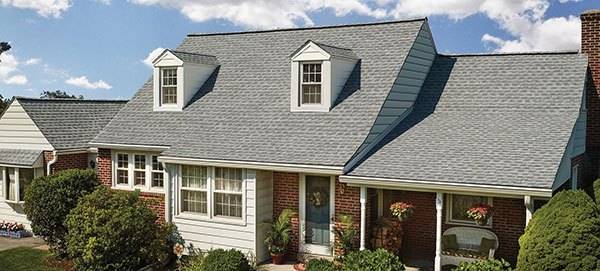
1. Understanding Roofing Costs in Corpus Christi
Roofing costs in Corpus Christi form around environmental drivers rather than generic statewide
averages. Materials and labor respond to coastal humidity, persistent wind loading, and salt
exposure rates that differ significantly from inland Texas markets. Higher moisture levels,
faster surface aging, and increased reinforcement requirements create cost structures specific
to the Coastal Bend.
Roof systems must accommodate the region’s atmospheric instability, which affects how
contractors structure installation methods and material selection. The environment requires
stronger fastening patterns, ventilation attention, and edge-system stability, all of which
contribute to overall cost frameworks.
2. Environmental Factors That Influence Roofing Prices in the Coastal Bend
Several environmental forces in Corpus Christi directly influence roofing costs and installation requirements:
- Wind-load exposure: Creates reinforcement needs along rakes, eaves, and ridgelines.
- Salt-air deposition: Influences material selection and corrosion-resistant components.
- High humidity: Affects underlayment choice, attic equilibrium, and moisture-management strategies.
- Thermal expansion cycles: Require fastening patterns that account for material movement.
- Storm-front pressure changes: Impact uplift resistance requirements and fastening density.
These conditions produce cost patterns that cannot be matched to inland Texas environments
without adjusting for coastal variables.
3. Material Costs and How They Shift Along the Texas Coastal Bend
Material pricing is influenced by both geographical location and coastal performance expectations.
Coastal Bend projects require components that tolerate salt exposure, higher humidity, and greater
wind fluctuation. These demands guide selection toward underlayments with stronger moisture
stability, fasteners with corrosion-resistant finishes, and shingles capable of resisting thermal
movement.
Material variance along the Coastal Bend reflects distance from the Gulf. Padre Island and
Rockport experience the highest salt concentration, often requiring more robust
corrosion-resistant components, while inland areas like Calallen see cost variations linked more
heavily to thermal cycling and attic moisture management.
4. Labor Costs in Coastal Roofing Environments
Labor pricing in Corpus Christi reflects the technical requirements of coastal roofing
assemblies. Installations must account for uplift pressure along edges, moisture-sensitive
underlayment placement, and ventilation configurations designed for high-humidity regions.
Crews must manage material movement, wind exposure during installation, and long-term structural
behavior shaped by Gulf airflow.
Compared to inland Texas markets, labor conditions in the Coastal Bend require more emphasis on
precision fastening, material anchoring, and moisture control, all of which influence total
project costs.
5. Asphalt Shingle Lifespans in Corpus Christi
Asphalt shingles age differently in Corpus Christi due to environmental stress. Salt aerosol
exposure interacts with shingle surfaces, increasing granular wear over time. Elevated humidity
levels contribute to longer softening periods during warm seasons, influencing how shingles
settle and bond across the roof deck. Thermal expansion accelerates material behavior during
high-radiant heat periods, creating stress cycles that shape long-term performance.
While inland Texas shingles may reach longer life expectancies, Coastal Bend shingles experience
material evolution shaped by salt, wind, and thermal variation. These forces work together to
outline realistic lifespan expectations under Corpus Christi conditions.
6. Metal Roofing Lifespans and Cost Influence
Metal systems perform well under sustained wind loads but respond uniquely to salt-air exposure.
Coastal environments increase surface oxidation potential, especially along edges, fasteners, and
unprotected cut lines. High humidity further interacts with metal systems, affecting the rate of
surface patina and long-term durability.
Because metal roofing must withstand strong uplift pressures in Corpus Christi, attachment
systems and fasteners require corrosion-resistant specifications. These components influence
labor and material pricing and shape long-term system behavior across the Coastal Bend.
7. Flat Roofing Systems in High-Humidity Zones
Flat roofs in Corpus Christi encounter moisture-load challenges not seen in drier regions.
Vapor pressure drives humidity into roof assemblies during warm seasons, influencing membrane
behavior and insulation stability. Storm-driven wind events also create pressure differences
that impact adhesion patterns and moisture transport across flat systems.
Installation techniques for flat roofing in the Coastal Bend require material reinforcement,
vapor control attention, and surface preparation designed for humid, salt-influenced
environments. These requirements guide cost structures for both residential and commercial
systems.
8. How Salt-Air Exposure Affects Long-Term Roofing Costs
Salt-air exposure increases long-term roof maintenance considerations. As salt particles settle
onto roofing surfaces, they interact with protective coatings, fasteners, and metal interfaces.
Over time, this contributes to material evolution that influences replacement cycles, component
selection, and structural upkeep.
In areas such as Padre Island, Rockport, and shoreline neighborhoods of Corpus Christi, salt
exposure creates more frequent surface change, influencing lifespan projections for both metal
and shingle systems.
9. Wind-Driven Cost Factors: Uplift Resistance and Structural Requirements
Wind behavior across the Coastal Bend introduces cost considerations tied to structural tension
and uplift resistance. Roof edges experience consistent lateral pressure during wind events,
requiring fastening densities and reinforcement patterns that exceed inland requirements. Ridge
components, hip structures, and rake assemblies must withstand directional shifts and pressure
differentials created by storm systems.
Wind-driven installation requirements influence labor timelines, fastening systems, and
long-term stability under Corpus Christi conditions.
10. Thermal Cycling and Its Impact on Material Lifespans
Thermal cycling is a defining factor in Corpus Christi roofing behavior. Radiant heat absorption
during warm seasons raises material temperatures significantly, causing expansion across decking,
shingles, and fasteners. As temperatures cool during evening hours, materials contract, creating
mechanical movement that influences structural alignment and component lifespan.
The frequency and intensity of thermal cycles along the Coastal Bend shape long-term roof
evolution and define realistic expectations for asphalt, metal, and membrane systems.
11. Neighborhood-Level Cost and Lifespan Variations
Roofing costs and lifespans vary predictably across Corpus Christi and surrounding Coastal Bend cities:
- Portland: Experiences strong wind-channel effects that increase edge reinforcement needs.
- Rockport: Exhibits elevated salt concentration and onshore gusting that influence material aging.
- Padre Island: Faces extreme coastal conditions that shorten surface lifespan expectations.
- Calallen: Encounters broader temperature ranges and inland vapor patterns.
- Sinton: Experiences heat-driven material expansion with cost impacts tied to thermal cycling resistance.
- Ingleside: Bridges high-humidity airflows with inland moisture migration patterns.
- Kingsville: Operates under elevated inland heat that shapes long-term material response.
These local differences influence realistic cost and lifespan projections in each micro-climate.
12. How Attic Conditions Alter Roofing Lifespans
Attic conditions play a critical role in long-term roof performance. In Corpus Christi, attic
cavities experience higher vapor loads due to coastal humidity and elevated outdoor dew points.
Ventilation systems must balance temperature and moisture to prevent prolonged saturation effects
that influence decking behavior, fastener stability, and underlayment condition.
Attic equilibrium also shapes how roofing materials relax and contract during thermal cycles,
contributing to lifespan outcomes across the region.
13. Structural Considerations That Influence Long-Term Roofing Costs
Structural components such as decking integrity, fastening patterns, and framing alignment
influence how roofing systems behave under coastal conditions. Corpus Christi’s moisture patterns
interact with structural components differently than in inland markets, driving long-term
performance changes that influence replacement cycles.
Wind, salt, and temperature variations create stress patterns that accumulate gradually across
structural interfaces, shaping how roofing systems evolve over time.
14. Putting Corpus Christi Roofing Costs & Lifespans Into Regional Context
Roofing systems across Corpus Christi and the Texas Coastal Bend follow environmental behavior
rather than statewide averages. Costs reflect the requirements of wind resistance, moisture
management, salt exposure tolerance, and thermal movement. Lifespans reflect how materials respond
to repeated atmospheric cycles and long-term structural demands.
Understanding these environmental factors allows homeowners and professionals to evaluate roofing
expectations with accuracy based on the region’s unique climate conditions.
Explore More Texas Roofing Insights:
Corpus Christi Roofing •
Corpus Roofing Guide •
Texas Roofing Systems FAQ •
Texas Service Areas •
Padre Island •
Calallen •
Portland •
Rockport •
Kingsville •
Sinton •
Ingleside
Call Corpus Christi’s Roofing Specialists